
In autumn and winter, outdoor temperatures are cold. If the poultry house is poorly insulated and sealed, cold air can easily enter and cause cold stress in the flock. Cold temperatures first increase the energy required by birds to maintain a normal body temperature, leading to a higher feed conversion ratio in broilers, a lower laying rate in breeder chickens, and reduced disease resistance. Cold weather is also a major cause of respiratory and digestive diseases in flocks, affecting immune function and leading to immunosuppression.
Especially during the brooding stage, low temperatures can cause chicks to huddle, become less active, and eat less. Poor yolk absorption may follow, increasing mortality and culling.
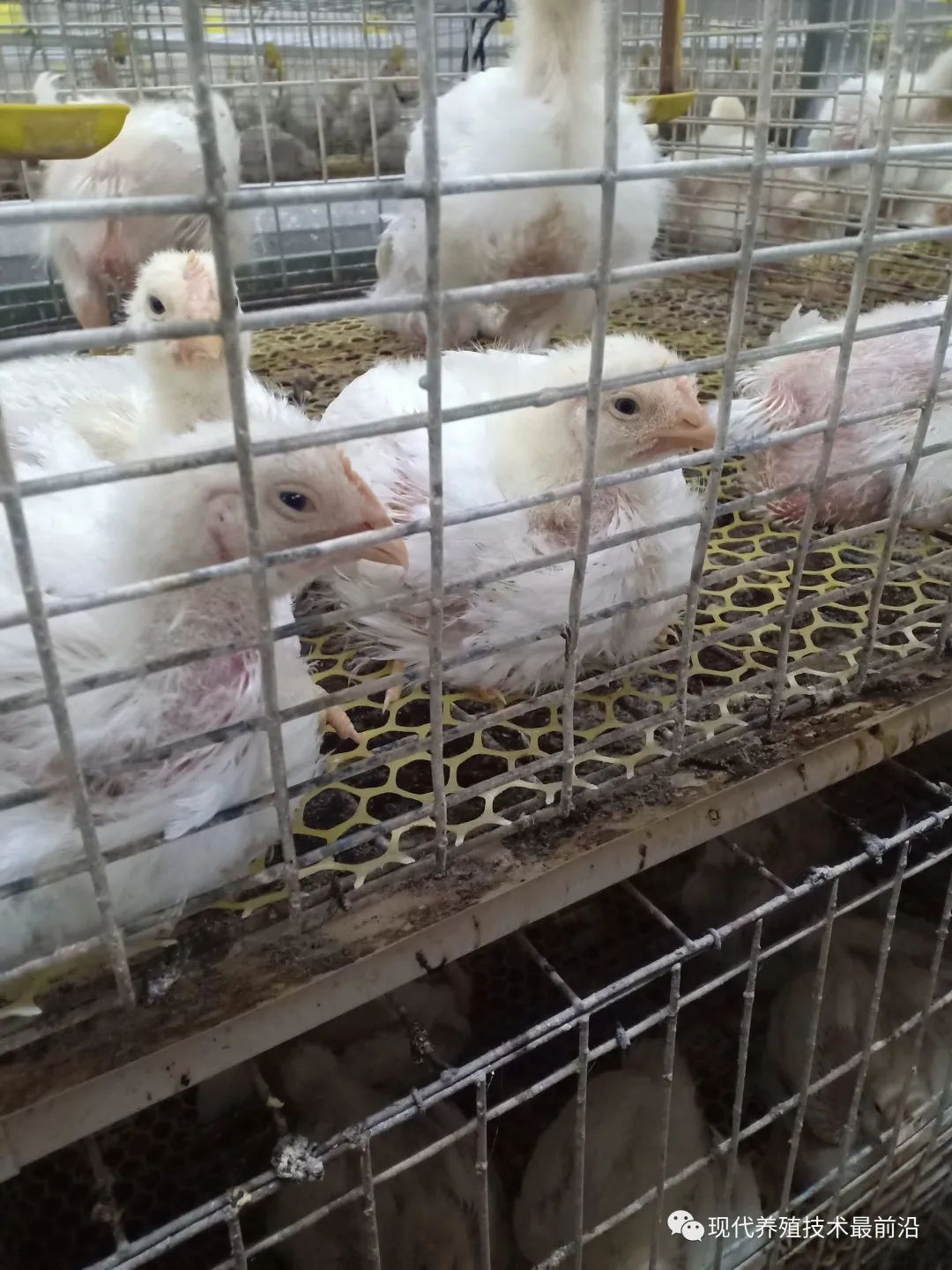
During broiler production, the temperature should be reduced gradually. In winter, cold outdoor conditions make it easy for cold air to enter the house and cause cold stress in the flock, leading to respiratory diseases and reduced production performance. If the temperature inside the house is too low, birds may also suffer frostbite, which can directly cause death. This causes economic losses for farmers. Cold stress mainly causes 5 types of harm:
1, Huddling and reduced feed intake: When a flock experiences cold stress, birds huddle together for warmth and crowd one another, often crushing weaker birds to death. Huddled birds move around very little, which can seriously reduce feed intake and, in turn, inhibit growth and weight gain.
2, Respiratory diseases and ascites: Birds exposed to cold can easily catch a chill, triggering respiratory diseases. At low temperatures, birds increase their metabolic activity to maintain body temperature, which requires a large amount of oxygen to generate metabolic energy and increases the heart's workload, potentially leading to ascites.
3, Poor yolk absorption: Cold stress can prolong the time yolk remains in the abdominal cavity, triggering omphalitis. The yolk also stores maternal antibodies from the breeder chicken. Poor yolk absorption can cause pathological changes such as abdominal swelling and distension in chicks; most importantly, chicks may not receive adequate maternal antibodies.
4, causing digestive diseases: Under cold stress, feed consumed by chickens accumulates in the crop, disrupting the physiological functions of the crop, gizzard, and proventriculus, thereby causing digestive tract disorders. At the same time, with no food entering the intestinal tract, the entry of gastric juice and digestive enzymes can cause severe shedding of the intestinal mucosa, leading to intestinal spasms, dehydration, diarrhea, and even septicemia.
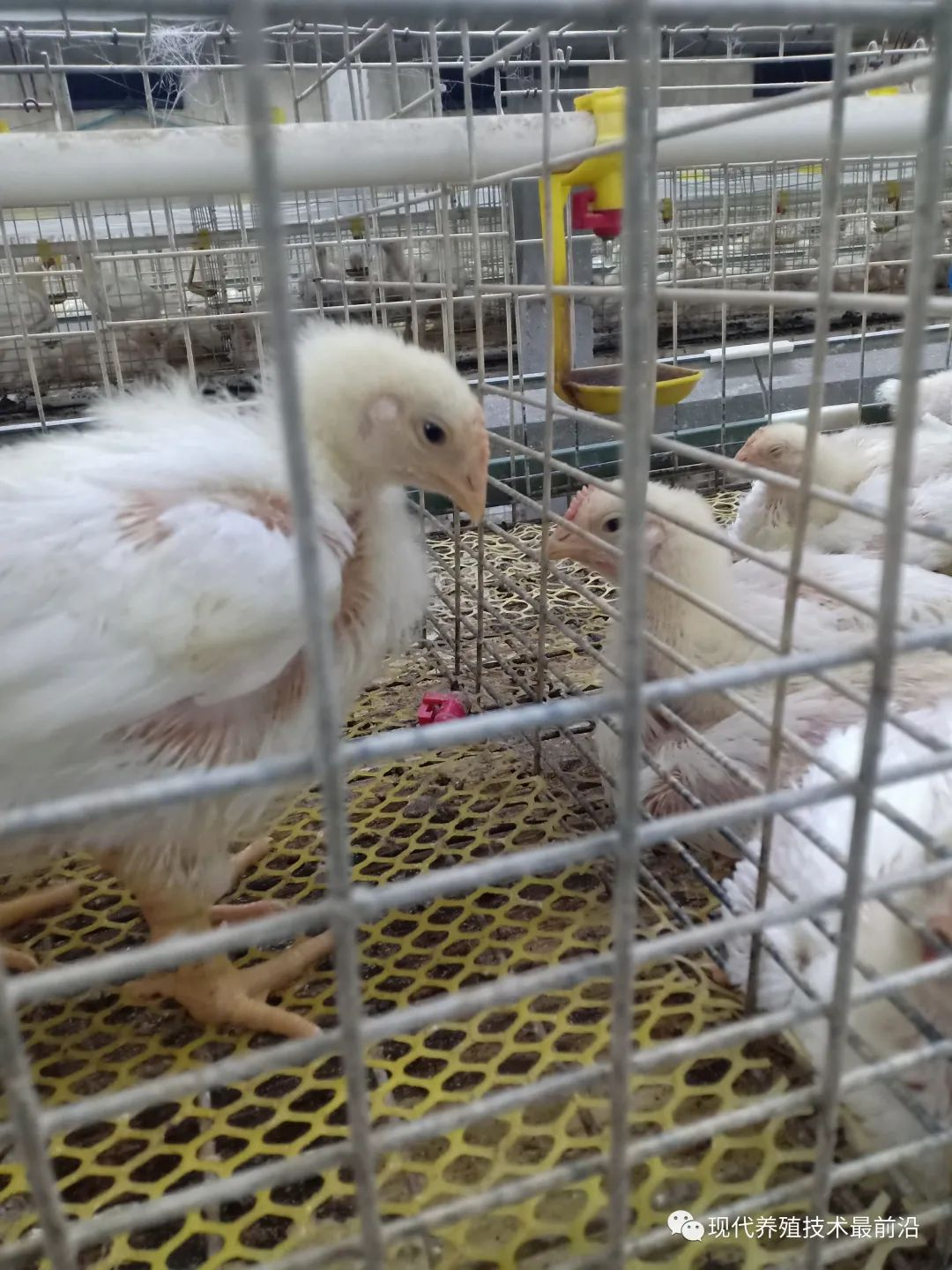
5, affecting immune function: Cold stress affects various immune cells in chickens. It can activate natural killer cells, inhibit the phagocytic activity of macrophages, and inhibit T-cell proliferation, thereby affecting cellular immunity in chickens. Cold stress can also stimulate the synthesis and release of glucocorticoids, thereby inhibiting the transformation of B cells into plasma cells and reducing antibody production. Ultimately, it suppresses humoral immunity, resulting in immunosuppression.