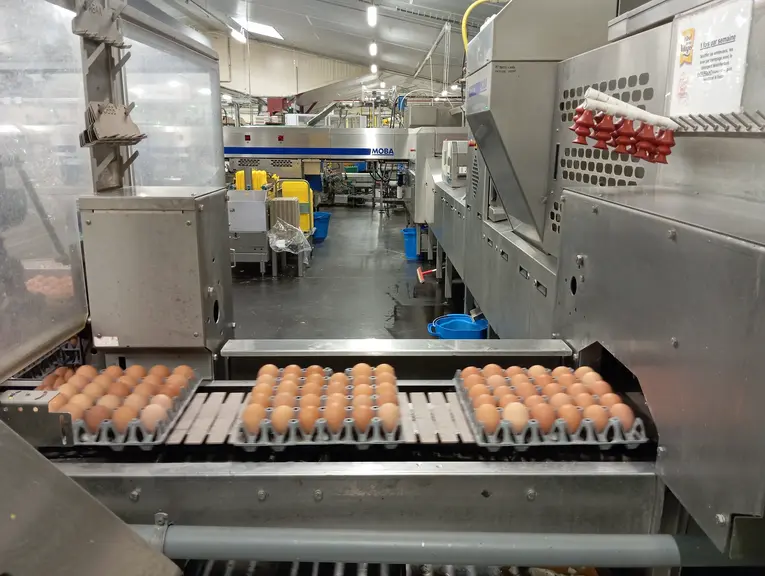
Eggs for packing:
For graded eggs, code 3, the trend is the same as last week, with reduced wholesale demand amid the end of the month, school holidays and a sharp decline in restaurant attendance given the economic climate. This phenomenon affects not only eggs, but consumption in general. For eggs, however, import pressure is an additional factor. According to some, that pressure has nevertheless seemed a little less aggressive in recent days. Prices for large and extra-large eggs are falling again, while medium egg prices are holding up better. Small eggs are unchanged, with few available, as farming practices that tend to keep hens for longer limit flock replacements.
For mixed-size eggs for packing, the market remains generally fluid. Prices are easily maintained. This is all the more so because salmonella is significantly limiting availability. However, imports by several retailers are keeping the market from tightening.
Read also: Avian flu: a new control zone in Pays de la Loire strengthening duck vaccination and screening
Eggs not for packing:
Demand for egg products, code 3, is considered steady but lacking in momentum by most processors, who therefore have less difficulty meeting it. Prices are generally maintained. For code 2, however, French-origin supply remains insufficient, and operators have to resort to imports, at prices that are stable to falling depending on the countries concerned. Free-range supplies are still limited. The very large number of eggs under salmonella APDI orders provides some raw material for processors who remain under pressure.