
— 1 —
Look
Inspecting a chicken house is a comprehensive task, not a matter of doing one isolated or single thing. “Look” means observing: everything visible to the eye needs to be checked.
01
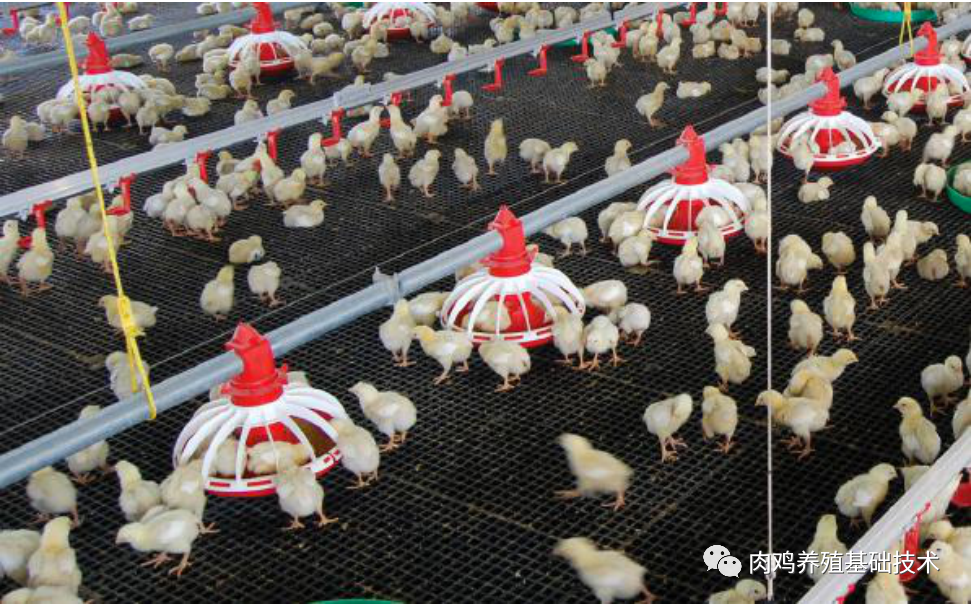
Observe the activity of the flock: healthy chickens are alert, move nimbly, have keen hearing, keep both eyes wide open and bright, have a good appetite, and respond sensitively to external stimuli. Abnormal chickens appear listless, droop their heads and wings, and are drowsy; more feed remains at their feeding positions.
02
Observe the drinking water system: whether the pressure column is normal, the pressure-reducing box is clean, the drinkers are leaking, and the water consumption ratio is abnormal. Clean drinking water is one of the essential elements of production. The normal functioning of the body and the conversion of feed, among other things, require water.
03
Observe the condition of the feces: normal feces are grayish-black, with a small amount of white urate on the surface, moist, fine-textured, and well-formed. If colored feces (red, yellow, green, or black) appear, analyze whether there may be intestinal disease, viral disease, or parasitic disease.
04
Observe the operation of the farming equipment: whether the temperature and humidity readings are abnormal (this is an important indicator for controlling the ventilation system; abnormal readings can result in excessive or insufficient ventilation, causing the chickens to catch colds or suffer from oxygen deprivation), whether the negative pressure is normal, whether the fans start and stop normally, whether the belt is loose, whether the vents are opened appropriately, and whether the feed delivery machine and feed spreader are operating normally (the amount of feed remaining in the troughs is also an important reference indicator).
— 2—
Smell
“Smell” refers to detecting odors; everything detected must be distinguished.After entering the chicken house, there is no need to actively “smell”; simply analyze the signals received passively.
When entering the chicken house, if the air is fresh and there are no pungent odors, this indicates that the ventilation system is working well and that no harmful gases have accumulated. If there is an unusual odor, we must combine this with the results of “observation” and conduct a thorough, comprehensive analysis to distinguish its source.
A pungent odor that stings the eyes
A strong ammonia smell in the house indicates that there is too much undigested protein in the feces. Under the high-temperature, high-humidity conditions in the house, fermentation produces large amounts of ammonia. Possible factors include abnormal liver function and an excessively high content of protein in the feed that cannot be absorbed. Liver support and protection can be the primary focus, with intestinal regulation as a secondary measure.
A fishy, foul odor
A fishy, foul odor indicates inflammation in the gastrointestinal tract, with symptoms such as ulcers, bleeding, and mucosal damage. Inflammatory exudate mixes with blood, mucosa, and other substances from the digestive system, producing a distinctive fishy-smelling gas. Conditions such as proventriculitis, gizzard inflammation, and enteritis should be considered. The primary focus can be eliminating inflammation and repairing the gastrointestinal mucosa.
Sour, foul odor
A sour, foul odor indicates an abnormal gastrointestinal microbiota, with harmful bacteria predominating and producing the odor when they interact with the feed in the gastrointestinal tract. Bacterial diseases such as Escherichia coli infection and anaerobic bacterial infections should be considered. This can be controlled by eliminating harmful intestinal bacteria and restoring the balance of the intestinal microbiota.
— 2—
Ask
“Ask” includes “asking people” and “asking the chickens.” The purpose of “asking” is to listen—one is to listen to the information reported by the animal caretakers, and the other is to listen to the information conveyed by the flock.
Ask the people
Listen to the poultry workers’ feedback on the flock’s feed intake, medication, immunization, and other matters.
Our inspections of chicken houses are conducted in stages and are subject to objective time constraints. What we see is only the situation at that moment, while the poultry workers are involved throughout and can provide precise information about the flock’s production. For example: whether feed intake is fast or slow, how egg production is distributed over time, what medication or immunization measures are currently being used, and how the flock differs at night and during the day. This information can help us better assess the flock’s condition and avoid misjudgments. For example, when we inspect a chicken house, the eggs produced may be evenly distributed and the quantity may be normal. However, if egg laying finishes late, this indicates that the flock is already showing signs of declining egg production—something we cannot detect during our inspection of the chicken house.
Ask the chickens
Listen to the chickens’ calls and breathing for abnormal sounds such as “strange calls,” “snorting,” “rattling,” or “coughing.”
A healthy flock has clear, bright calls without extraneous sounds. When unusual sounds occur in the flock, we need to investigate further. For example, with infectious laryngotracheitis and bronchial blockage, chickens may make strange calls; in the early stages of a cold, they may snort and shake their heads; and with atypical Newcastle disease, they may make slight rattling sounds.
Summary
“Ask the people” and “ask the chickens” at the same time, and consider both together to avoid misjudgments and misdiagnoses caused by subjectivity.
— 4 —
Cut
“Cut” refers to examining an individual bird on its own for diagnostic purposes,feeling the temperature of the bird, checking for inflammation and lesions in other areas that can be felt, and checking how the farming equipment is operating. Combined with other observations of the flock, this helps assess the overall health of the flock.
Feel the temperature
Use your hand to feel areas such as beneath the wings and the feet of the birds. If the area beneath the wings feels hot and the feet feel cold, this indicates that the flock may have a fever. Consider other symptoms to determine whether the flock may have a viral disease or a severe bacterial infection.
Feel the keel and joints
This work is mainly about determining whether the flock is infected with Mycoplasma synoviae. Before 30 days of age, infection with Mycoplasma synoviae is mainly found at the keel. At this age, pinch the skin over the keel; if it feels thickened and swollen, the bird is infected with Mycoplasma synoviae. After 30 days of age, infection is more often found in the joints and footpads. Feel these areas to check for swelling and exudation.
Feel the equipment
This work mainly focuses on summer and winter. In summer, feel the equipment to check for heat, such as the motors of fans, cables, and environmental control boxes. If any are excessively hot, deal with the issue immediately to prevent a fire. In winter, feel the heating equipment, such as the temperature of the heat-dissipation pipes and radiators, to check for abnormal circulation or heating. This helps prevent temperatures from falling below the required level in some areas, which can cause the flock to get cold and develop respiratory symptoms.
Feel the water temperature
Some poultry houses have relatively traditional drinking-water systems, with drinking-water tanks and pressure-reducing tanks inside the house. If the water temperature becomes too high (especially during brooding or in summer, when too much water remains in the drinking-water system), this can seriously affect water intake and feed intake.
Summary
Carry out these checks with a clear purpose and defined standards, rather than going through the motions. The focus differs depending on the birds’ age and the season. Take all factors into account, focus on the key points, and do not overlook any detail that can be controlled.