
During daily rearing, chickens inevitably experience stress reactions due to external environmental influences. Today, we will introduce the causes of stress in broiler chickens and how to respond.
I. Causes of Stress in Broiler Chickens
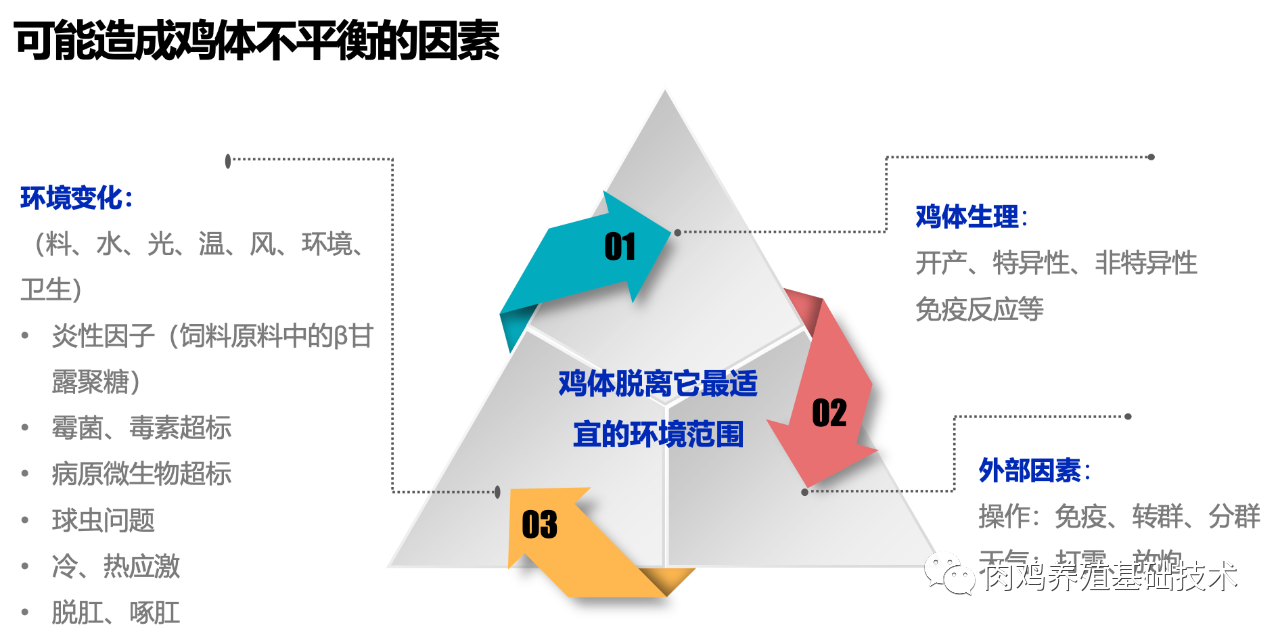
1. Physiological factors. Stress arises mainly from changes in broiler chickens’ metabolism and protein synthesis. This stress can greatly reduce the chickens’ ability to adapt and make their husbandry conditions and nutritional requirements more demanding. Nutritional imbalances in feed, mycotoxins in chicken feed, or changes in the feed’s color or odor can all directly affect broiler chickens’ feeding and absorption, resulting in stress.
2. Environmental factors. Adverse external stimuli can cause abnormal physiological changes in broiler chickens. These include temperatures in the chicken house that are too low or too high, large day-and-night temperature differences, poor ventilation, noise, dampness, as well as firecracker noise during the Chinese New Year and disturbances from animals such as rats. All of these can cause abnormal physiological changes in broiler chickens.
3. Pathological factors. Pathogen infections and disease can cause abnormal physiological changes in broiler chickens and lead to various physiological disorders. A change in the environment may then trigger stress. As the chickens’ physical condition deteriorates, their growth rate may slow markedly or stop, and their activity may be greatly reduced. They may also be more easily “bullied” by other healthy chickens, resulting in stress and potentially worsening their condition.
4. Management factors. Improper management of broiler flocks can lead to abnormal physiological changes. Examples include irregular feeding times, high stocking density, flock transfers, vaccination, feed changes, transportation, injuries, and failure to clean manure promptly.
Two. Harm of stress in broiler chickens
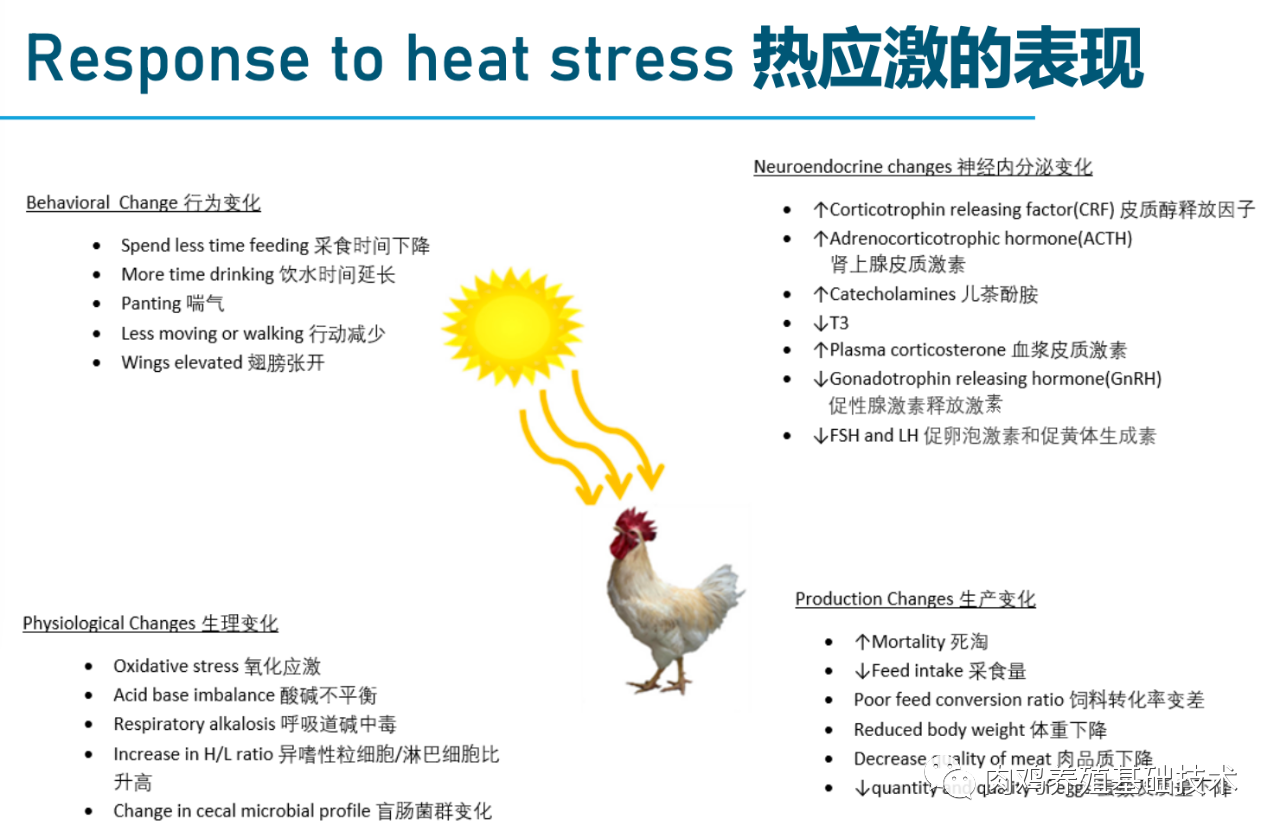
When broiler chickens experience stress, their feed intake and actual feed conversion efficiency decrease, growth slows, weight gain declines, and development is impaired. In addition, stress greatly increases broiler chickens’ vitamin requirements, which can lead to vitamin deficiencies and reduced immunity. The overall incidence of disease in the flock rises, and broiler chickens may even die to varying degrees. Some flocks may also develop behaviors such as pecking at wounds, vent pecking, and egg pecking. This increases the number of inferior broiler chickens, reduces their commercial value, and lowers the economic returns of broiler farmers.
Three. How to improve broiler chickens’ stress resistance
1. Provide good husbandry conditions and reduce multiple stressors. Based on the growth characteristics of broilers, provide them with a clean, quiet growing environment. During broiler rearing, equip the facilities with appropriate production equipment and provide broilers with good environmental conditions and good feed. In addition, multiple stressors should be reduced. Broilers can readily tolerate a single stressor, but multiple stressors occurring simultaneously or continuously can have serious effects. For example, high stocking density can cause broilers to crowd together, and immunization can stress the entire flock. Ventilation should be adjusted promptly to prevent poor ventilation from causing dampness and stale air in the poultry house, and to avoid stress caused by poor environmental conditions.
2. Carry out management in accordance with production procedures.
1, ensure the stability of the entire production management program. In production activities such as feeding, watering, and disinfection, tasks should be performed in sequence and on schedule. Ensure there are no shortages of feed or water, and avoid frequently changing broiler caretakers.
2, maintain stable environmental conditions. For example, keep lighting times fixed, provide cooling in summer, and provide warmth in winter to prevent the adverse effects of high and low temperatures on broilers. During autumn and winter, when temperatures fluctuate significantly, take timely control measures. During the rainy season, also take steps to protect against storms.
3, avoid causing a panic among the flock. Honking and shouting are prohibited in the broiler production area. Shouting is also permitted inside the chicken house, and the opening and closing of doors and windows should be kept fixed. Throughout the entire rearing period, movements must be gentle.
4, feed changes should include a transition period. When changing broiler feed, farm staff should allow a transition period of 3 days to ensure the broilers can adapt smoothly.
Treatment of broiler diseases should involve prompt detection, early treatment, early diagnosis, and early control. Minimize disease-related stress as much as possible to ensure the broilers grow healthily. Adjust husbandry management according to the season and prevent and control diseases promptly. In hot weather, broiler husbandry management should focus on cooling and heat protection, and feed intake should be appropriately increased. In winter, extend the period for which heat is supplied to the broilers and improve heat retention. Give full consideration to ventilation rates in the chicken house to prevent air quality from deteriorating. Around midday, appropriately extend ventilation time and increase ventilation rates. When a cold wave strikes, take appropriate measures to retain heat. In heavy snow, prepare bedding, feed, and commonly used medicines, and prevent the snow from collapsing the chicken house roof.