
Finished-feed storage bins are commonly called feed towers. They generally serve only as a transfer point for short-term feed storage. The feed towers we commonly use come in two models: 17 tons and 22 tons. The 17-ton model has a smaller diameter but is taller, while the 22-ton model has a larger diameter but is somewhat shorter. When choosing a feed tower size, select a model according to your needs and site conditions.
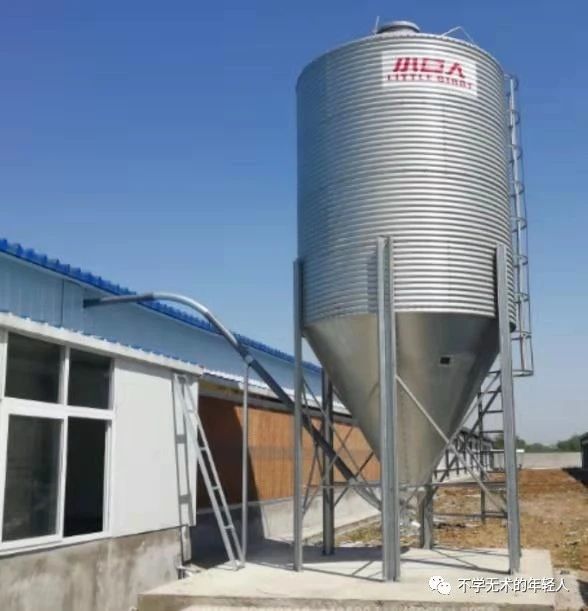
I. Using the feed line
Precautions before first operation:
1. Check whether the PVC conveying pipe is straight and whether feed is getting stuck. Check that the feed pipe joints, suspension supports, and other parts are securely installed, and check that the outdoor feed-line joints are sealed.
2. When starting the horizontal and inclined feed motors, check the direction of motor rotation (viewed from the motor cooling fan, it should rotate clockwise).
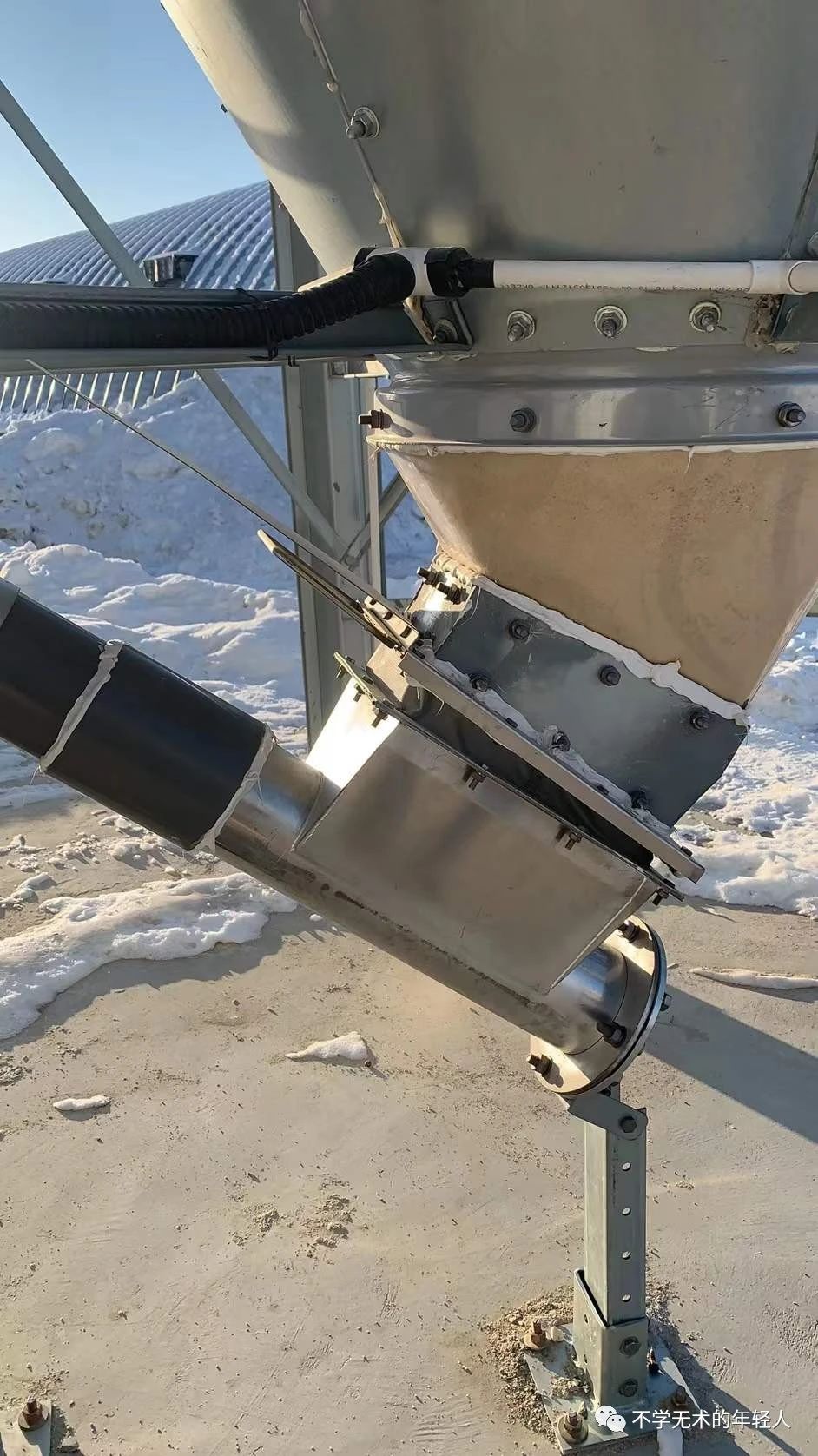
3. Close the feed tower outlet and run the feed line for 2-3 minutes to remove burrs adhering to the auger or pipe opening. When the empty feed line is running, it is normal for the auger to rub directly against the pipe and make considerable noise.
II. Precautions:
1, Do not let the feed line run idle for long periods, as this will accelerate wear on its components.
2, Do not put solid objects longer than 2CM in diameter into the feed line, as this may damage the auger or even burn out the motor.
3, Feed bins in use must be emptied once every week (a rubber mallet can be used to tap the bottom of the feed bin) to prevent feed from clumping and becoming moldy inside the bin, which could affect the health of the chickens.
4, When the chicken house is empty, keep the feed bins, feed lines, and hoppers empty.
5, When using a feed truck to deliver feed to a feed bin, ensure that the truck's feed pipe does not touch the bin body, as this may affect the bin's airtightness and could eventually damage the feed bin.
III. Maintenance and Care:
1, Check the feed bin's seal each time it is emptied, paying particular attention during seasons with frequent rain.
2. Regularly check the operating condition of the bearings in the transmission section and add grease promptly.
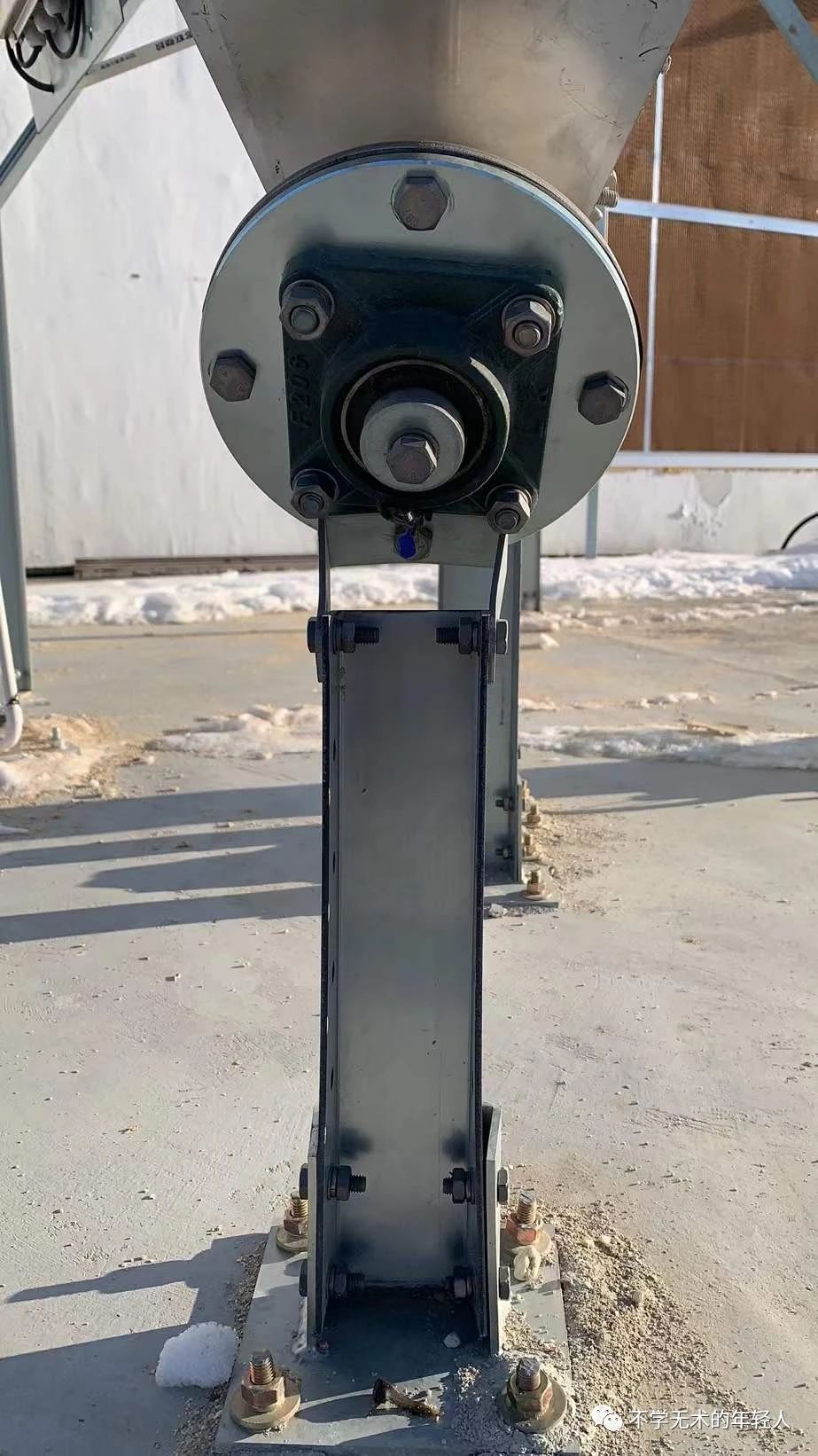
3. After each batch of chickens has been shipped out, remove the auger flange to clean dust from inside the shaft and check whether the sealing gasket is worn. If there is a problem, replace it promptly. (When removing or installing the auger, be careful of spring-back to avoid a safety accident.)
4. Check the auger's tension and adjust it promptly.
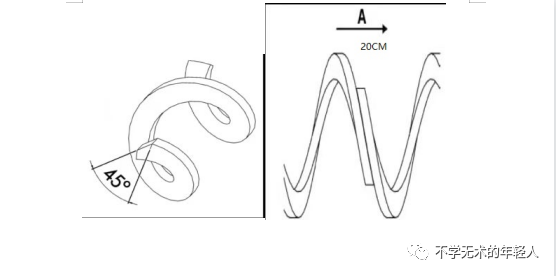
When repairing the auger, use personal protective equipment. After cutting the auger, pay attention to the chamfer at its front end. The straight-line overlap length of the welded auger must be no less than 20CM. After welding, the weld must be ground to prevent wear to the feed pipe. Electrical equipment damage is unavoidable. To avoid affecting the equipment's normal operation, a spare feed-line motor can be kept on hand.