
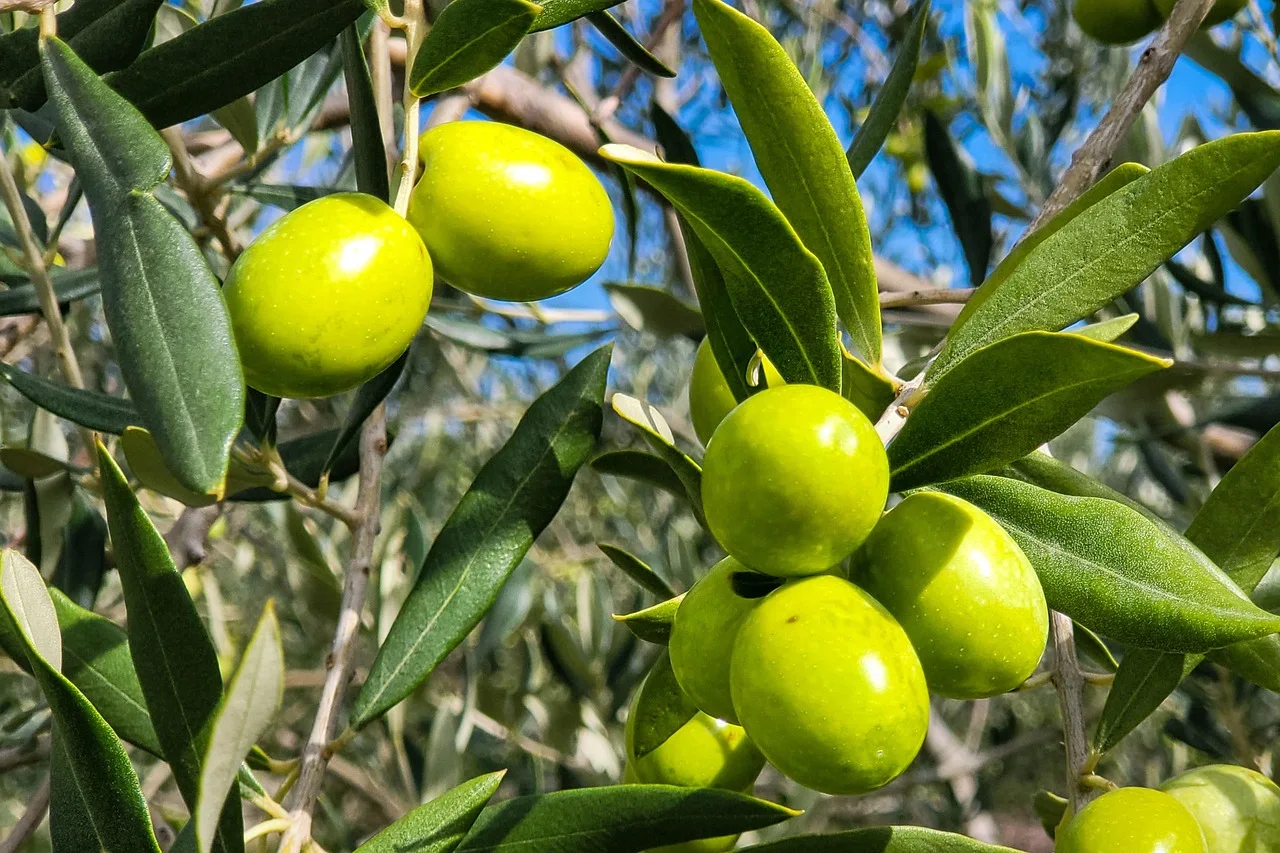
A closer look at poultry anatomy and physiology clearly shows that, when exposed to heat stress or increased pressure from enterotropic viruses, the digestive tract is one of the most vulnerable organs. Therefore, maintaining gut health is essential for sustaining production performance while ensuring meat quality and animal welfare. In this context, olive bioactive compounds offer a promising nutritional strategy.
Spain is a leading producer of olive oil worldwide. As a result, large quantities of by-products, including olive leaves, olive pomace, and wastewater from olive mills, are generated every year. Until recently, these materials were largely regarded as waste with little commercial value.
Research over the past decade has shown that these by-products are, in fact, still rich in biologically active compounds. Their anti-inflammatory and antioxidant properties offer considerable potential, not only for human health but also for livestock production.
This reflects an innovative nutritional approach and is also an outstanding example of the circular economy.
A recent study conducted at Kasetsart University (Thailand), in collaboration with Lucta S.A., evaluated the effects of olive bioactive compounds on broiler chickens raised under heat stress conditions.
This study not only assesses production performance, but also immune response, intestinal integrity, welfare indicators, and meat quality. Its aim is to determine whether supplementing feed with olive bioactive compounds can improve chicken performance, both in the presence and absence of salinomycin, an ionophore that, in addition to its coccidiostatic activity, may also help reduce intestinal inflammation.
One of the most relevant findings is the ability of olive bioactive compounds to lower the heterophil-to-lymphocyte ratio (H/L), a recognized indicator of physiological stress in poultry. A high H/L ratio is associated with increased stress and systemic inflammation.
Chickens supplemented with olive bioactive compounds showed a significantly lower H/L ratio than the unsupplemented control group (2,28 versus 2,63; P < 0,01), indicating a reduction in the physiological stress response.
In this study, chickens receiving olive bioactive compounds also showed lower footpad dermatitis scores than the control group, indicating improvements in both digestive tract health and overall animal welfare.
Broiler chickens supplemented with olive bioactive compounds showed significantly lower drip loss (fluid loss), along with reduced lipid oxidation in breast meat. These benefits were observed both with and without the addition of salinomycin to the feed ration.
From a commercial perspective, these results indicate improved water-holding capacity and oxidative stability. These characteristics may extend the shelf life of fresh poultry meat.
In addition, the study showed increased levels of monounsaturated and polyunsaturated fatty acids in poultry supplemented with olive-derived bioactive compounds.
Using bioactive compounds derived from olive by-products offers promising opportunities to improve animal welfare and poultry product quality, while adding value to materials previously considered agricultural waste. This is therefore an excellent example of sustainability and the circular economy in modern poultry production.