
The center of gravity in global chicken trade is shifting eastward. According to the latest “Livestock and Poultry: World Markets and Trade” report released by the USDA Foreign Agricultural Service, global chicken production is projected to grow by 2% to 1.149 hundred million tonnes in 2027, while exports are projected to rise by 3% to nearly 1560 ten thousand tonnes. Asian markets account for most of the growth.
This is not a short-term fluctuation, but a structural shift driven by changes in global protein consumption, shifts in industry competitiveness, and trade flows.
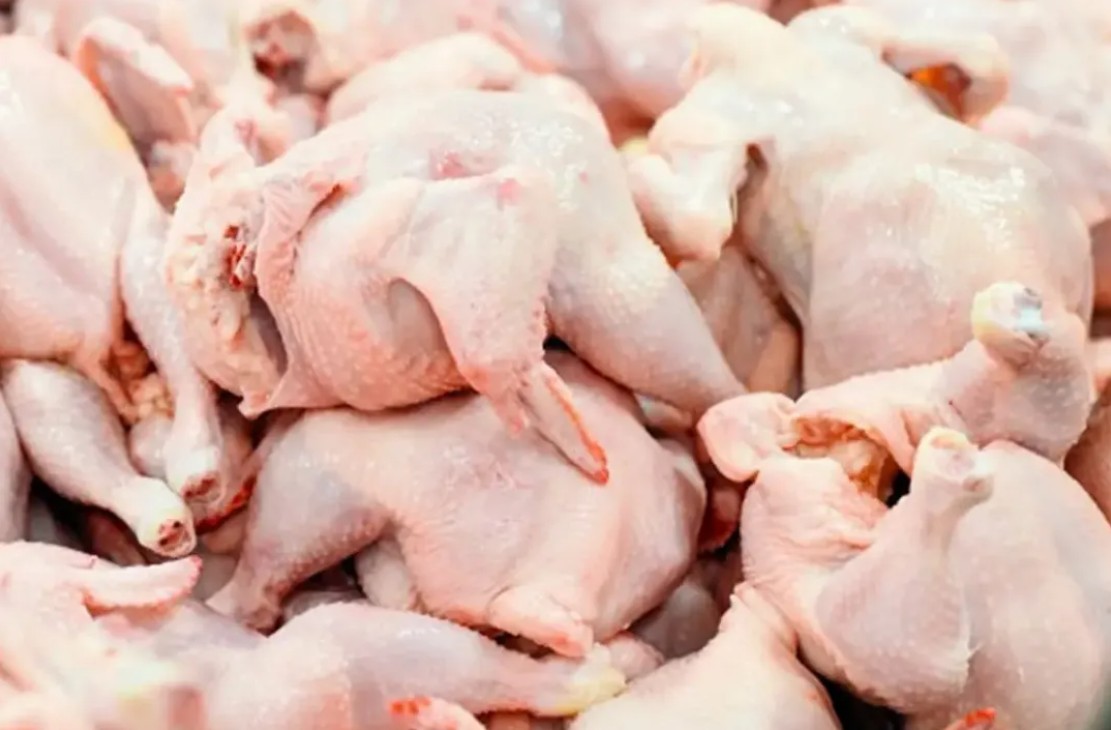
China’s Share of Chicken Exports Rises to 12%
Asia is no longer just a passive importing market. China is redefining its position in global chicken trade as an exporter, while sustained demand in Southeast Asia has made the region a key battleground for exporters.
China’s changing role is the most striking factor in this round of reshaping. Once the world’s largest chicken importer, it officially became a net exporter in 2024.
The USDA forecasts that China’s chicken production will grow by nearly 6% to 1900 ten thousand tonnes in 2027, while exports will surge by 25% to 190 ten thousand tonnes. Behind this increase are the competitive foundations created by ample grandparent stock, the continued expansion of large integrated companies, and relatively stable feed costs. The diversification of export destinations is also worth noting: the shares of traditional markets such as Japan and Hong Kong, China, are being diluted by emerging Southeast Asian markets. The Philippines, Cambodia, and Malaysia have become new growth drivers, while more distant markets such as Kyrgyzstan, Russia, Afghanistan, and Iraq are also beginning to appear on the map of China’s chicken exports.
The product structure is also shifting: frozen cuts and whole birds are replacing further-processed products, offering a lower price point suited to the purchasing power of consumers in developing markets.
China’s share of global chicken exports is expected to rise from 10% in 2026 to 12% in 2027, while the United States and Brazil are under pressure as their shares fall from 20% to 19% and from 36% to 35, respectively.
Southeast Asia Remains an Important Demand Center
Firm demand in Southeast Asia provides a sustained pull for this trade realignment. The Philippines is one of the markets with the most significant growth in chicken imports worldwide. In 2027, imports are projected to increase from 58 ten thousand tonnes to 62.5 ten thousand tonnes, while domestic consumption is expected to climb from 231 ten thousand tonnes to 240 ten thousand tonnes, placing the country among the world’s top four import markets.
Japan remains the world’s largest chicken importer, with imports holding at 118 ten thousand tonnes in 2027 and consumption reaching 300 ten thousand tonnes. This demand pattern has deeper underlying drivers: chicken offers a significant price advantage over beef in most Asian markets, while the continued expansion of Southeast Asia’s middle class and the shift toward more protein-rich diets are turning this value-for-money advantage into tangible growth in consumption.
Thailand, another important regional player, is projected to see exports edge up from 122.5 ten thousand tonnes to 124 ten thousand tonnes, with its global share remaining steady at 8%. Its leading position in cooked chicken exports enables it to remain resilient even when China’s fresh chicken exports fluctuate.
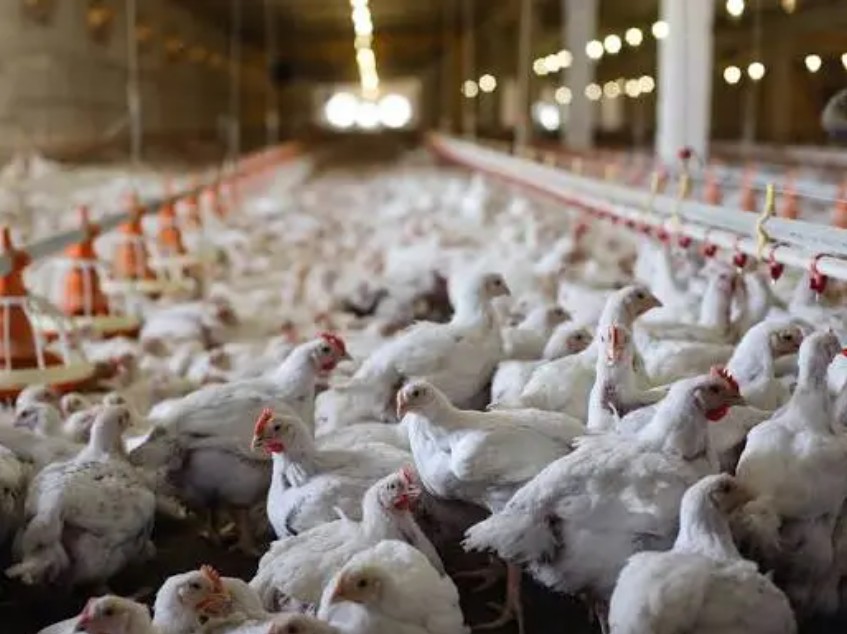
U.S. and Brazilian Shares of Chicken Exports Shrink
The fortunes of traditional export powerhouses are diverging as the landscape in Asia changes.Brazil remains the world's largest chicken exporter, with exports expected to reach 550 ten thousand tonnes in 2027, but its growth faces new constraints. EU restrictions on imports of Brazilian chicken are shrinking its traditional high-value market, forcing Brazil to redirect more products to price-sensitive regions such as Africa.
Meanwhile, Brazil's performance in the Chinese market has also fluctuated sharply: in 2026 3, Brazilian chicken at one point accounted for as much as 69% of China's total imports, but overall imports in the first quarter were halved year over year, showing that the squeeze on import demand from expanding domestic production in China is becoming apparent.
The United States faces a more nuanced situation: its share of global exports continues to decline and is expected to fall to 19% in 2027, while domestic production has reached a record high, export growth is constrained by price competition from other producers and market access restrictions in some markets. Thailand has emerged as a steady regional winner, finding an opportunity to fill the gap as Brazil loses some of its EU market share.
The underlying logic of this trade restructuring is Asia's shift in status from a “source of consumption growth” to an “industrial force.” As China pushes chicken exports to nearly three times their 2020 level through large-scale farming and cost advantages, and import demand in the Philippines and Japan grows steadily by tens of thousands of tonnes each year, the pricing power, trade flows, and rules of competition in global chicken trade are all being rewritten.
For traditional exporting countries, Asia is both an existing market they must defend and an increasingly difficult growth market to dominate. For local Asian producers, the question has shifted from “Can we meet our own needs?” to “To what extent can we shape the regional and even global supply landscape?”
As the most price-competitive animal protein, chicken points in the same direction with every redraw of its trade map: the center of gravity of global protein consumption is moving east irreversibly, and the speed of the industry's response will determine who secures a favorable position in this structural shift.