Prices for laying hens – Quotation made on 23 October 2026
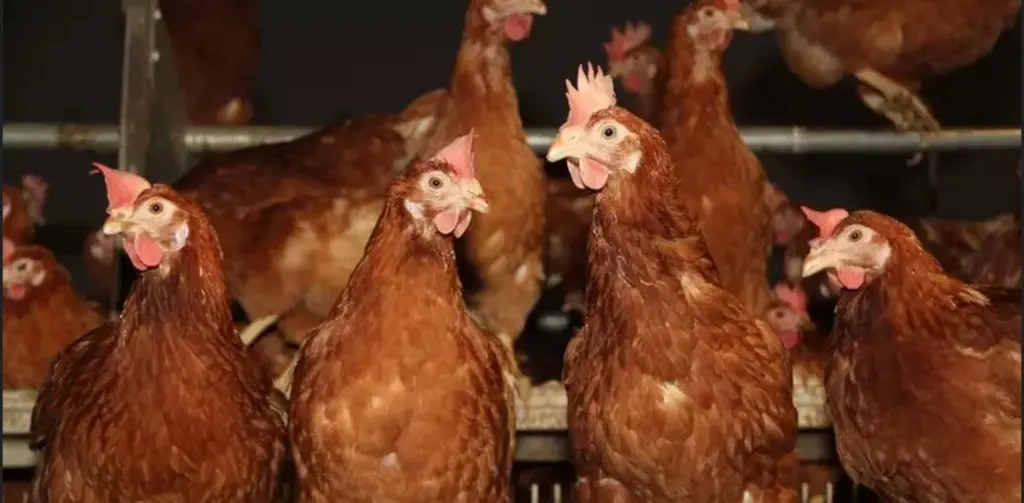
Slaughterings of laying hens remain at a low level despite demand remaining just as strong. A few cases of salmonella have been detected in certain regions, helping to fill some slaughter schedules.
Exports of laying hens to Africa resumed this week, with several containers shipped; few are planned for next week.
In this sluggish market, the quotation is unchanged.
Read also: How will container shipping prices change by the end of 2026?
From 19/10/2026 to 25/10/2026
Location:
Western France: 0,10 - 0,18
Southern France: 0,03 - 0,05
Contract:
Grand Ouest: 0,10 - 0,18
South: n.c.
Note: In euros/kg. Prices are understood as ex-farm, for red hens
The ranges are explained by:
-
negotiations between buyers and sellers
-
transaction volumes
-
the approach costs in relation to the buyer
-
quality differences
Methodology for the quotation of laying and breeding hens
The CPP is published in Les Marchés every other Monday and covers a two-week period. The CPR is published in Les Marchés one Monday per month and covers a four-week period. These two quotations are prepared by contacting operators at the end of the week preceding the Monday of publication.
For each quotation, two types of prices are published: spot prices and contracts, as follows:
Laying Hen Quotation [CPP]
All production methods combined, prices in euros per kilo, leaving the farm
Spot:
Prices of hens slaughtered between the Monday of week s-1 and the Friday of week s for batches offered to slaughterhouses during the four weeks preceding the quotation.
Contract:
Prices of hens slaughtered between the Monday of week s-1 and the Friday of week s for batches offered to slaughterhouses more than four weeks before the quotation.
Breeding Hen Quotation [CPR]
All production methods combined, prices in euros per kilo, ex-farm
Spot:
Prices for hens slaughtered during the period, for lots offered to slaughterhouses over the past eight weeks.
Contract:
Price of slaughtered hens over the period for batches offered to slaughterhouses for more than eight weeks.