
About this many fresh eggs are shipped from this part of eastern Hubei to destinations across the country:55 hundred million eggs—of them,60% go to the Yangtze River Delta, and 20% to the Pearl River Delta; they appear on the shelves of community supermarkets in Shanghai, at farmers’ markets in Guangzhou, in the steamers of Hong Kong teahouses, and in the shopping carts ofJD.com and Hemain the shopping cart. A widely circulated claim is:Of every 100 eggs nationwide, 1 are produced in Xishui.
Looking back from the starting point of the Fifteenth Five-Year Plan,the development path of Xishui’s egg-laying hen industry is now clear:stabilizing its foundation through independent seedling production, improving efficiency through standardized farming, connecting the supply chain through digitalization, and increasing value through deep processing and branding.Looking ahead, Xishui is positioning itself as a “Central China egg products supply chain base,” and moving towardLysozyme extraction, high-end segments such as functional egg research and development and cold-chain hubs continue to expand.
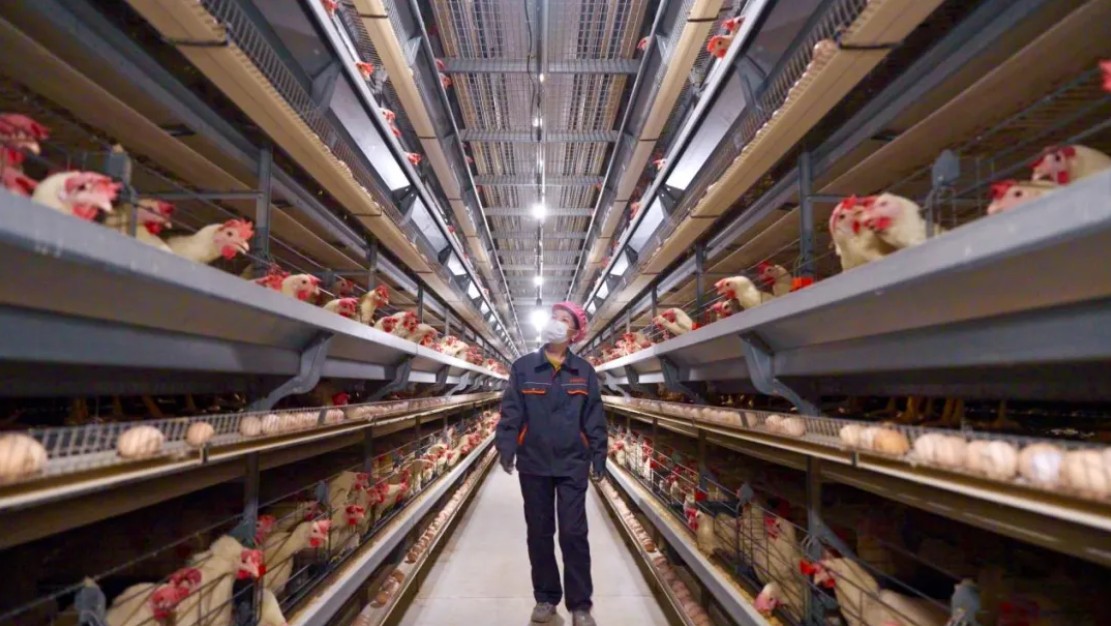
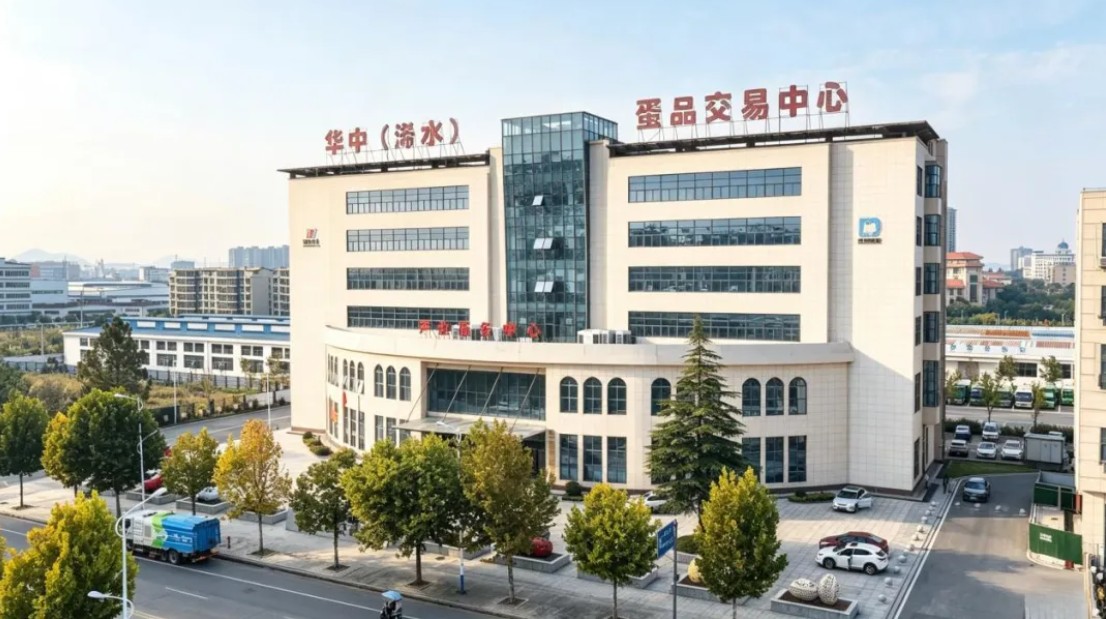
At six thirty in the morning, the small city of eastern Hubei on the banks of the Yangtze River is still wrapped in a light mist. Enter Yuanqiao Village, Bahe Town, Xishui County, and there is no pungent smell inside the smart chicken houses of Hubei Dongchen Ecological Agriculture—only the soft hum of conveyor belts. As soon as the chicken manure falls, it is sent directly to the organic fertilizer workshop, where it is transformed into fertile manure for the fields. At the same time, on the huge electronic screen on the first floor of the Central China (Xishui) Egg Trading Center, figures are changing—today’s direct-sales transaction value, the platform’s cumulative transaction value, the number of refrigerated trucks en route, and the number of orders from the Yangtze River Delta and Pearl River Delta are refreshing in real time, line by line.
This isthe late autumn of 2026, an ordinary morning in Xishui. The county’s 2000 million laying hens begin a new day’s egg-laying cycle beneath the same morning sun. Over the course of a year, about 55 billion fresh eggs are shipped from this land in eastern Hubei to destinations across the country—of these, 60% go to the Yangtze River Delta, 20% enter the Pearl River Delta, and they appear in community supermarkets in Shanghai, wet markets in Guangzhou, the steamers of teahouses in Hong Kong, and the shopping carts of JD.com and Hema. One widely circulated saying goes: for every 100 eggs in the country, 1 come from Xishui.
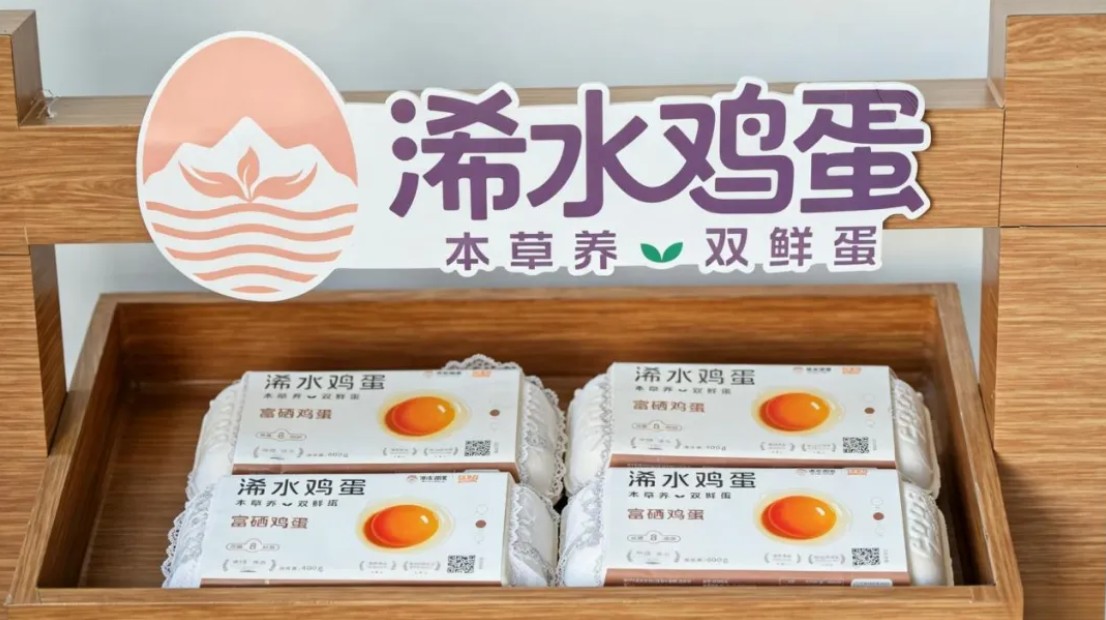
NearlyWith 50 years of dedicated effort, Xishui has turned eggs into a wealth-generating industry with comprehensive benefits across the entire industrial chain exceeding 105 hundred million yuan and creating jobs for 8.3 ten thousand people. In 2026 year 2 month, “Xishui Eggs” was officially launched as a regional public brand in Wuhan. Its slogan, “Nourished by herbal ingredients · Double-fresh eggs,” together with its IP character “Xixi,” is now reaching audiences nationwide.
From a major livestock-farming county to ranking among the top ten poultry brands nationwide in brand value and striving to become Hubei Province’s10th provincial-level regional public brand for agricultural products, what enabled this revolutionary-era county on the banks of the Yangtze River to achieve this industrial transformation?
Breeding stockThe “Chinese core” lays a solid foundation for quality
The first cornerstone of industrial transformation lies in breeding stock and standards. There was a time when layer chicken breeding stock wasThe pain of being held back by critical bottlenecks; today, several domestic breeding players are breaking through. A range of independently bred varieties are steadily improving key indicators such as feed conversion rates, competing on the same stage as imported varieties, each with its own strengths. In Xishui, domestic breeding stock is entering large-scale farms alongside intelligent environmental control and Internet of Things management. With independent control of breeding stock combined with standardized farming across the board, the county’s large-scale farming rate has reached 99.4%, the number of birds per poultry house has increased to more than 5 ten thousand, the raising cycle has been extended, and egg production has risen steadily. The “Chinese core” of breeding stock and the “high standards” of farming work in sync, laying a solid quality foundation for a ten-billion-yuan industry.
CirculationThe “Industry Brain” Keeps Production and Sales Flowing
At the heart of the chain are circulation and data. Inside the Central China (Xishui) Egg Trading Center,On the “Layer Chicken Industry Brain” large screen, national egg prices, laying-hen inventory, and logistics routes update in real time. This digital platform, integrating cloud farming, group purchasing, trade matchmaking, and cold-chain cloud warehousing, has connected more than 1 ten thousand upstream and downstream entities. Its direct transaction value has exceeded 23 hundred million yuan, and its price index serves as an important reference for fluctuations in approximately 70% of the national egg market. In the past, farmers relied on chance to make trades and guesswork to set prices. Now, data comes first, and barriers caused by information asymmetry are being removed one by one. The essence of a supply-chain approach is to connect the dispersed farming, circulation, and finance sectors into a network that can be coordinated, traced, and supported, so that each egg has a clear destination and expected price from the moment it leaves the poultry house.
Processing“Value chain” rewriteValuecurve
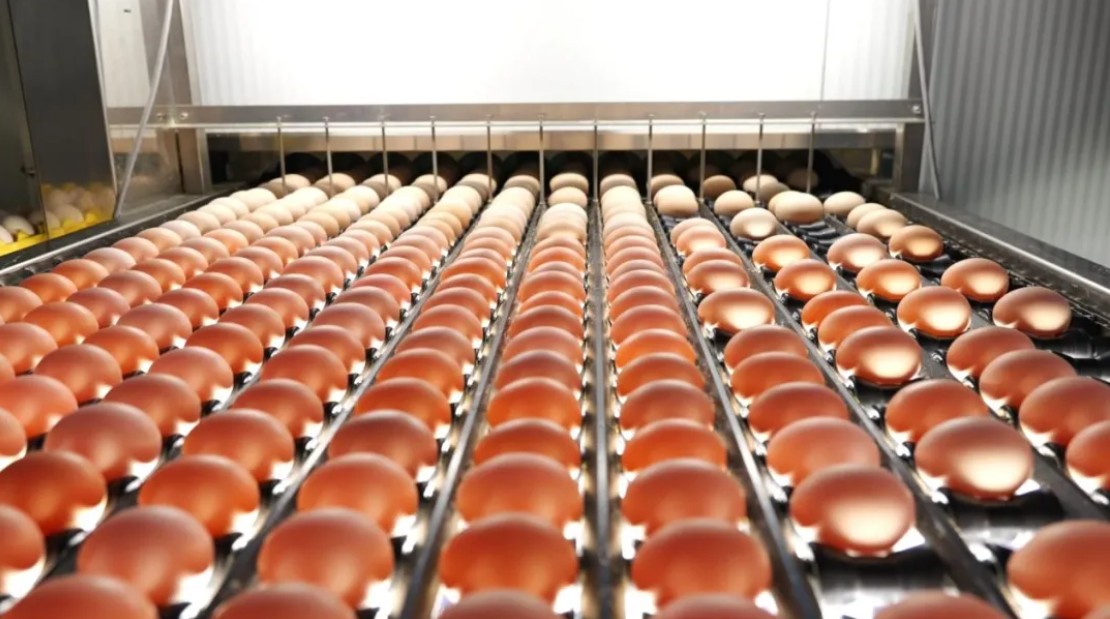
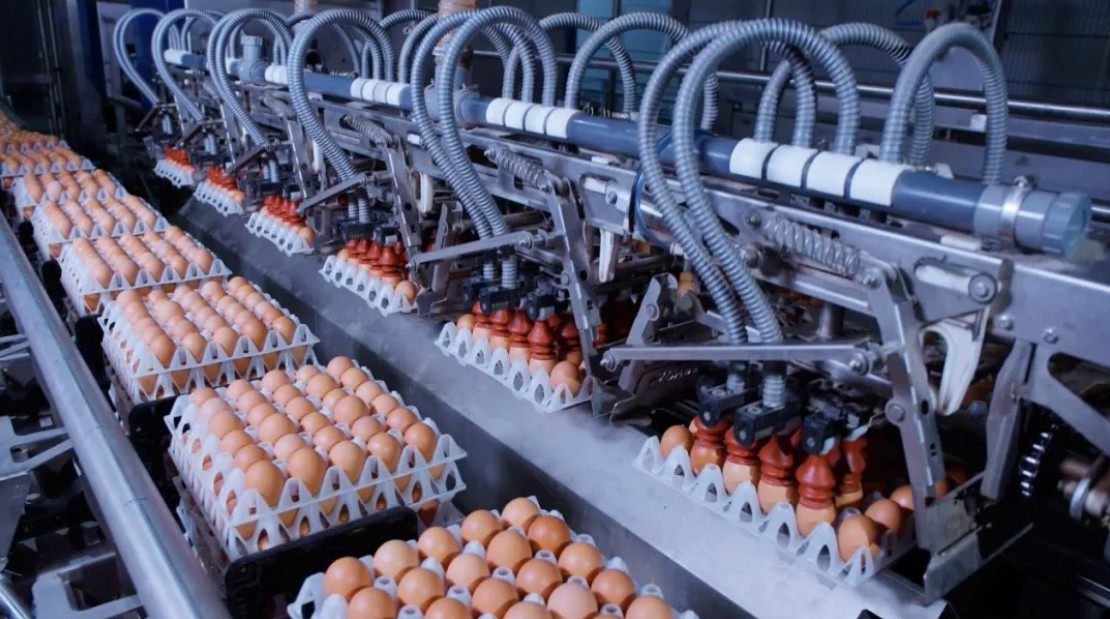
The depth of the chain is borne out on each production line. In the intelligent workshop of Hubei Anshi Foods, spent hens that could previously only be sold by weight are now simmered into medicinal chicken soup using a food-and-medicine homology formula—each production line turns out 500 cans per hour, increasing added value by 3 to 5 times; once the project reaches full production, it will consume 445 ten thousand spent hens annually, with an annual output value of up to 5 hundred million yuan. From “sold by weight” to “sold by the can,” deep processing is reshaping the value curve of Xishui’s layer-hen industry chain.
Brand“Golden calling card” unlocks room for a premium
A brand is key to helping agricultural products command a premium and increase income.2026 year 2 month, the “Xishui Eggs” regional public brand was officially launched. The positioning of “Nourished by Herbal Ingredients · Double Fresh Eggs” brought to market its quality proposition of feeding with astragalus and locking in freshness within 72 hours. Currently, the brand value of “Xishui Eggs” has reached 50.09 hundred million yuan. A brand is not just a sign, but a system integrating standards, testing, authorization, and channels: the first county-levelCMAThe /CATL dual-certified egg testing laboratory safeguards the baseline for safety. Its share of the high-end market in Jiangsu, Zhejiang, and Shanghai exceeds 10%, and high-end branded products account for 60%. The premium potential of Xishui eggs is being redefined, shifting from selling fresh eggs to selling standards, brands, and functionality.
StandingLooking back at the opening stage of the “Fifteenth Five-Year Plan,” the development trajectory of Xishui’s egg-laying hen industry is now clear:Stabilize the foundation through self-sufficient seedling production, improve efficiency through standardized farming, connect the cycle through supply chain digitalization, and increase value through deep processing and branding.Looking ahead, Xishui is focused on its functional positioning as a “Central China Egg Supply Chain Base,” moving towardLysozyme extractionHigh-end segments such as functional egg development and cold-chain hubs continue to move up the value chain. A small egg is making a crucial leap from scale-driven to value-driven growth—this is not only an industrial success story for Xishui County’s economy, but also a county-level example of China’s layer industry shifting from “raising more” to “building a stronger value chain.”