
As temperatures continue to fall in autumn, humidity also decreases, and the day-to-night temperature difference can reach as much as 10-15℃. This makes ventilation difficult to control and can easily cause unstable conditions inside the house, leading to respiratory and other diseases. It may even lead to highly contagious diseases such as avian influenza, causing huge economic losses.
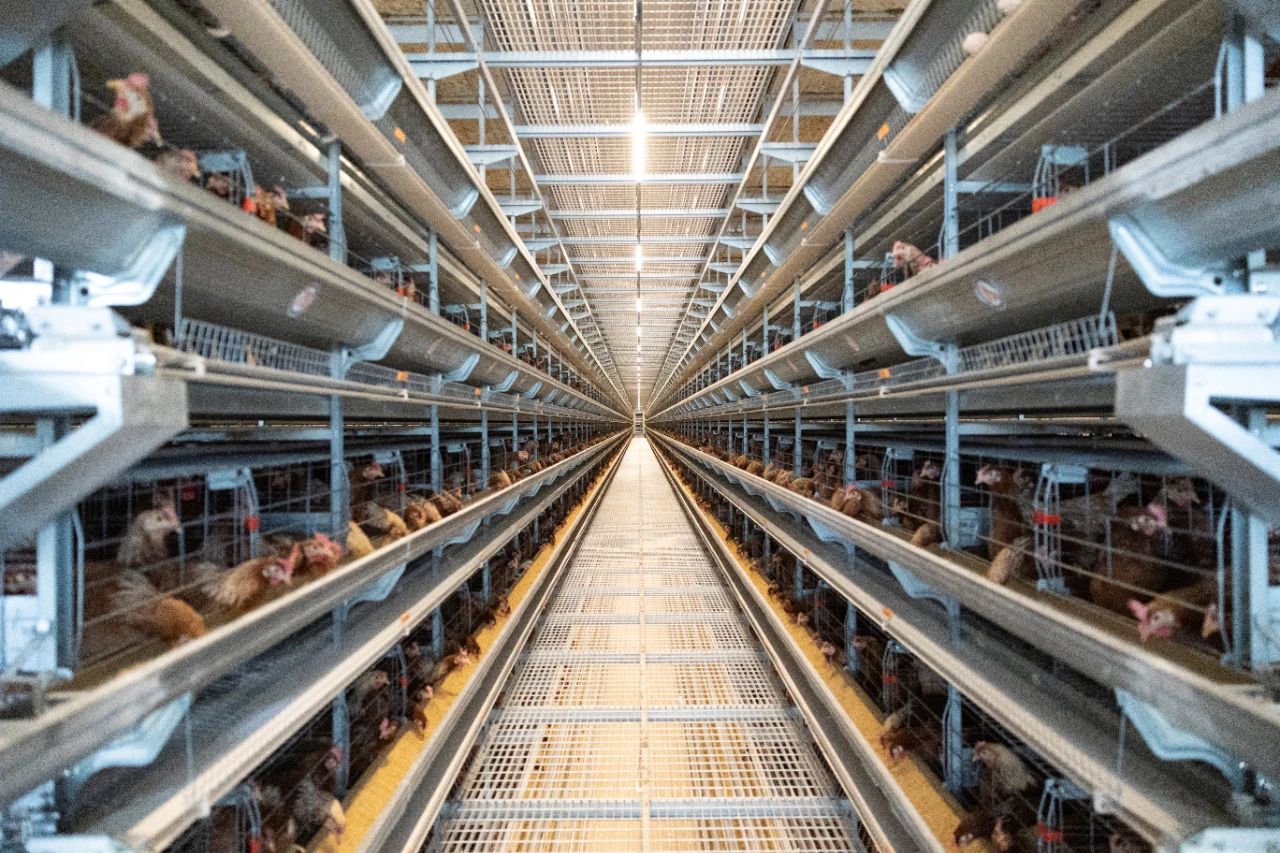
Indoor Environment
Ventilation management depends on the structure of the chicken house and the fan design. The location of the air inlets determines the ventilation method. Whether ventilation is crosswise or longitudinal, its ultimate goal is to achieve the target temperature required for the chicken house, ensure uniform air speed inside the house, and maintain fresh air. To this end, poultry farmers should adopt the following proper ventilation measures.
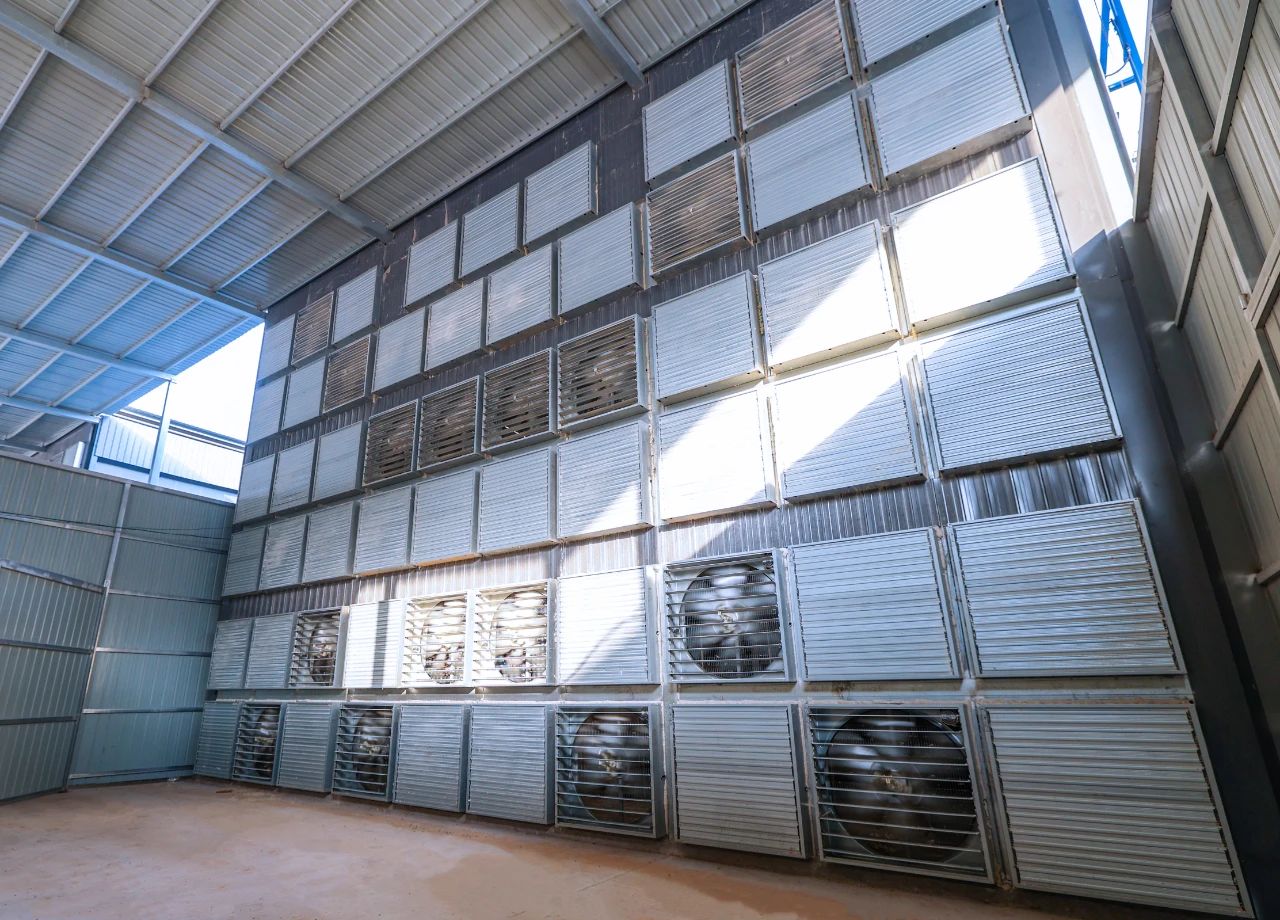
External Fans
1, inspect and calibrate the airtightness of the chicken house, fan exhaust capacity, and the angle of the air-inlet deflectors in advance. If equipment modifications or similar changes have been made, management should be tailored to differences between sites or houses.
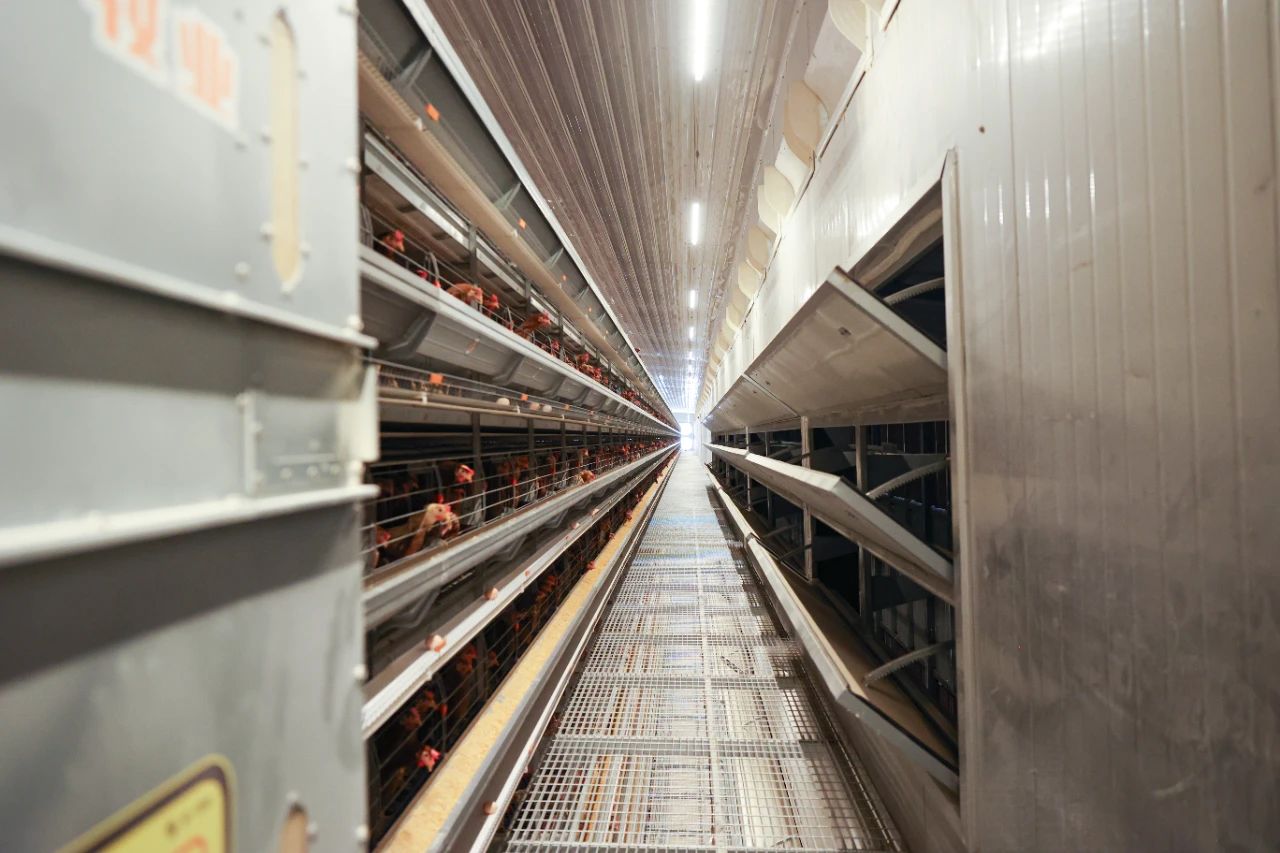
Deflectors
2, understand the weather patterns in the region and summarize the historical ventilation parameters for this poultry house. Climate conditions in the same region and season can vary from year to year, though the differences are generally small. You can review and analyze the relationships between historical outdoor temperature and humidity, the indoor environment of the poultry house, and various flock indicators. Taking into account the stocking level and the flock’s age, select the optimal ventilation settings as a reference for this year’s ventilation data. Adjust the ventilation parameters in advance, including the number of fans to operate, the size of the air inlets, air speed, and airflow direction.
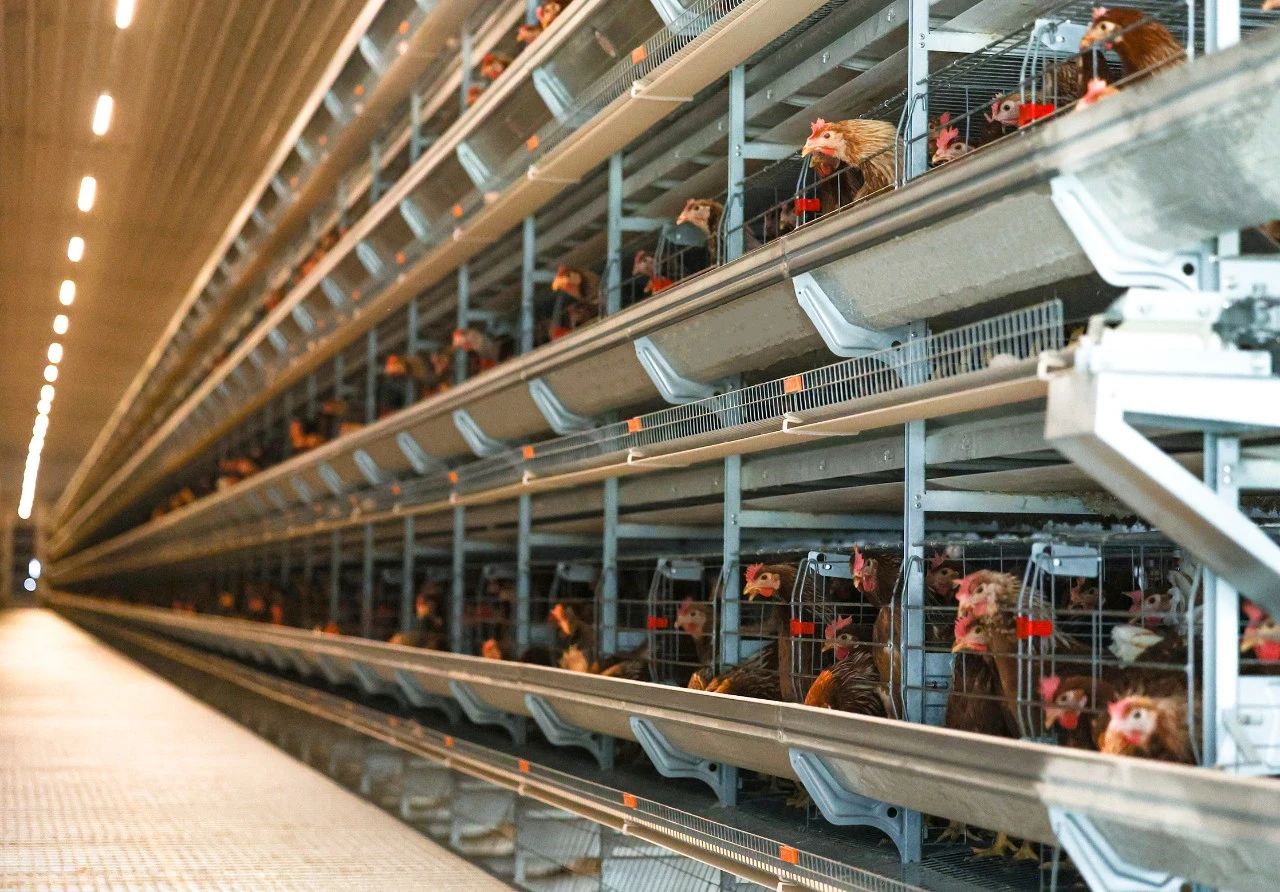
Poultry house
3, based on changes in outdoor temperature, set target indoor temperatures for different times of the day and a minimum temperature for nighttime to reduce the day-night temperature difference. As outdoor temperatures fall and conditions transition toward winter, gradually lower the minimum temperature to keep the nighttime temperature and the day-night temperature difference relatively stable.
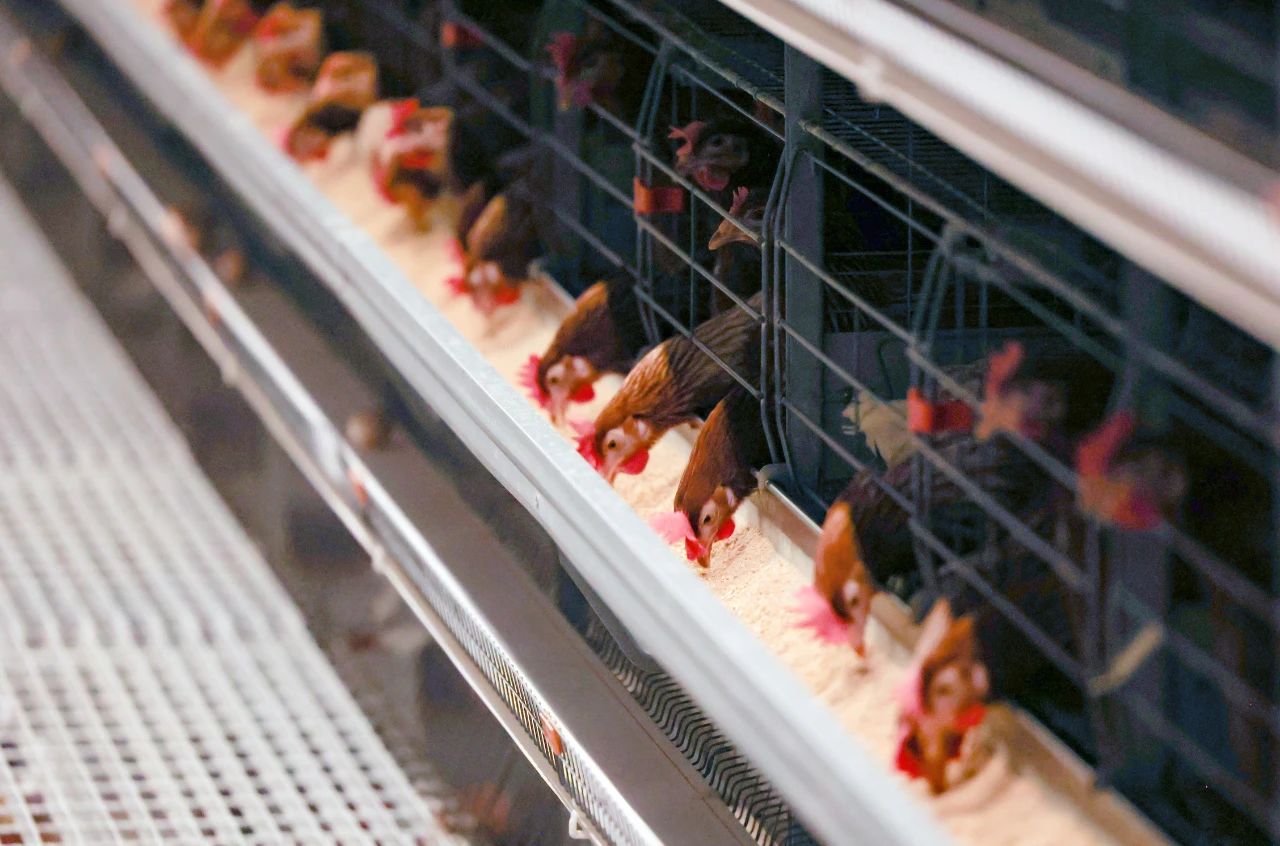
Flock feeding
4, after setting the parameters, observe the air quality in the poultry house, airflow direction, day-night temperature difference, and respiratory health. Also use the big data monitoring platform to check whether the parameters affect egg production rate, feed consumption, or flock health. Make adjustments after a comprehensive assessment. Use the automatic temperature control system to adjust the fans and temperature as needed, maintaining an even temperature and air speed throughout the house with no dead zones, to provide a comfortable indoor environment.
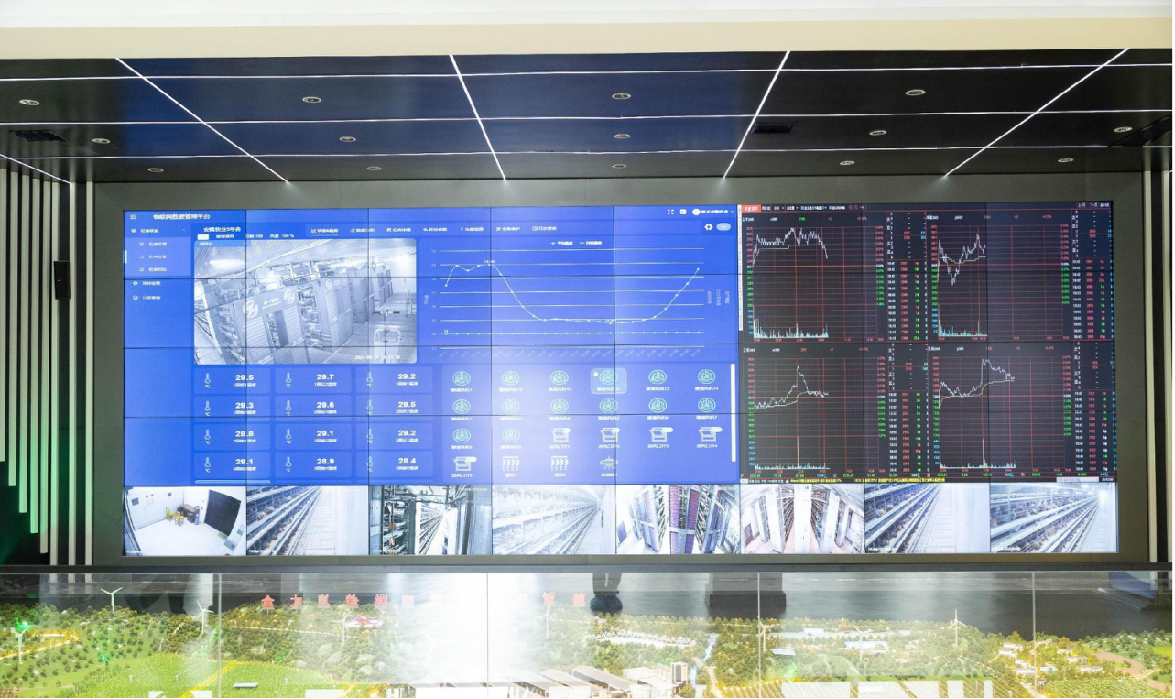
Smart Agriculture Big Data Control Center
In addition, there are several other matters to attend to when raising chickens in autumn. Autumn is also a peak period for various diseases, so continue to disinfect the poultry house while the flock is inside. Disinfection is generally carried out in the middle of the day or afternoon, when temperatures are higher. Ensure there are no untreated areas, especially around the air inlets. However, alternate disinfectants to prevent the development of resistance. As natural daylight gradually shortens, farmers should extend lighting hours in a timely manner, maintaining a stable and appropriate lighting duration and uniform, suitable intensity to support the laying hens’ normal physiological activity. As temperatures fall, adjust the feed formulation to improve the flock’s ability to withstand stress and maintain good body condition. Also prevent excessive humidity, which can cause feed to become moldy.
In short, transitional seasons are the most difficult times for managing and monitoring poultry houses. But as long as we understand the principles and key points of ventilation and make good use of ventilation and environmental control systems, we can do our utmost to protect flock health and keep moving forward in the poultry industry!