
When feed conversion becomes increasingly difficult to improve, what kind of chicken is suited to production today?
Feed conversion ratio remains one of the most important efficiency metrics for white broilers, but it is shifting from “the only answer” to “one part of overall economic value.”
First, let’s clarify an important technical point: feed conversion ratio must be assessed under comparable conditions.
When comparing breeds, the age at market, market weight, health status, and management conditions should be as consistent as possible. The energy level, protein level, and digestible amino acid levels of the diets should also be consistent or adjusted uniformly. Otherwise, differences in feed conversion ratio are likely to come from the nutrient concentration of the diet, rather than from the chickens themselves.
We need to go one step further: even when energy and protein levels are the same, results can still vary due to differences in ingredient digestibility, amino acid balance, pelleting quality, and other factors. In other words, the same energy and protein levels are a necessary condition for comparison, but not a sufficient one.
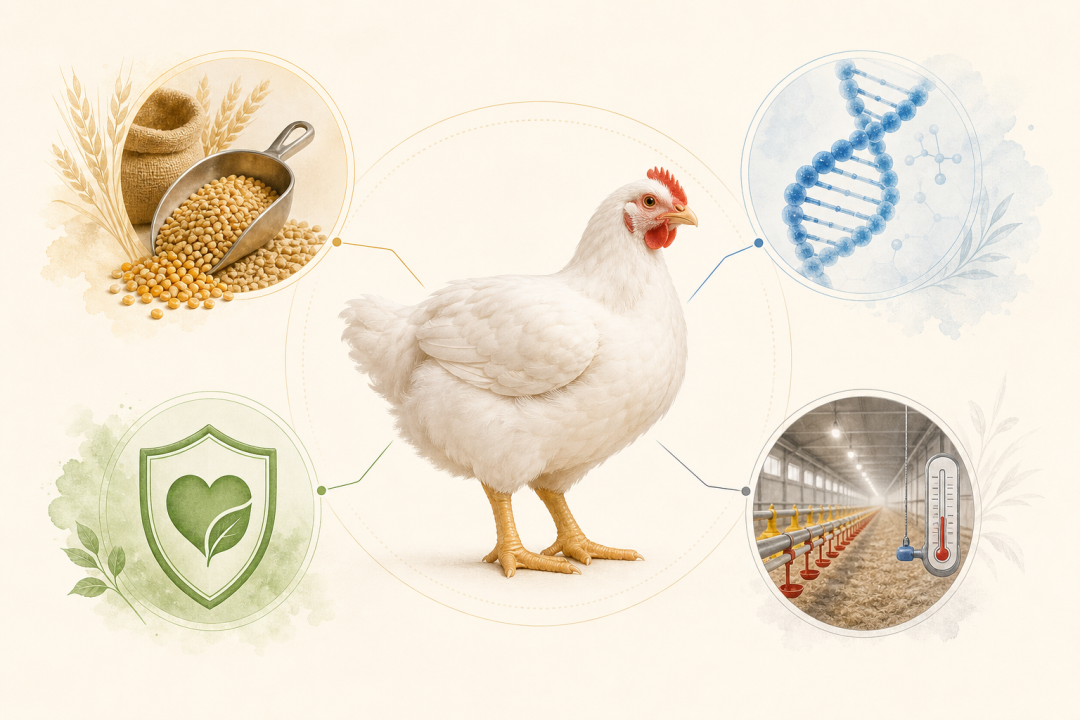
Image 1 | Behind a feed conversion ratio figure is the combined effect of genetics, nutrition, health, and management.
The feed conversion ratio is still worth pursuing, but it should not be the only goal.
Feed is usually the largest cost item in broiler production. Every improvement in feed conversion ratio has a direct value, so breeding efforts will continue to select for feed efficiency.
Feed is usually the largest cost item in broiler production. Every improvement in feed conversion ratio has a direct value, so breeding efforts will continue to select for feed efficiency.
But feed conversion ratio is fundamentally an outcome measure of “total feed consumed / weight gain,” not a measure of a chicken’s overall value. Chickens need feed to maintain body temperature, activity, immunity, and organ function; not all feed can be converted into muscle. The further the feed conversion ratio is pushed down, the harder genetic progress becomes, and the more attention potential costs to health, reproduction, or meat quality warrant.
A chicken growing quickly in the early stages does not necessarily have the lowest cost over the entire production cycle; an increase in live weight does not necessarily mean an increase in end value.
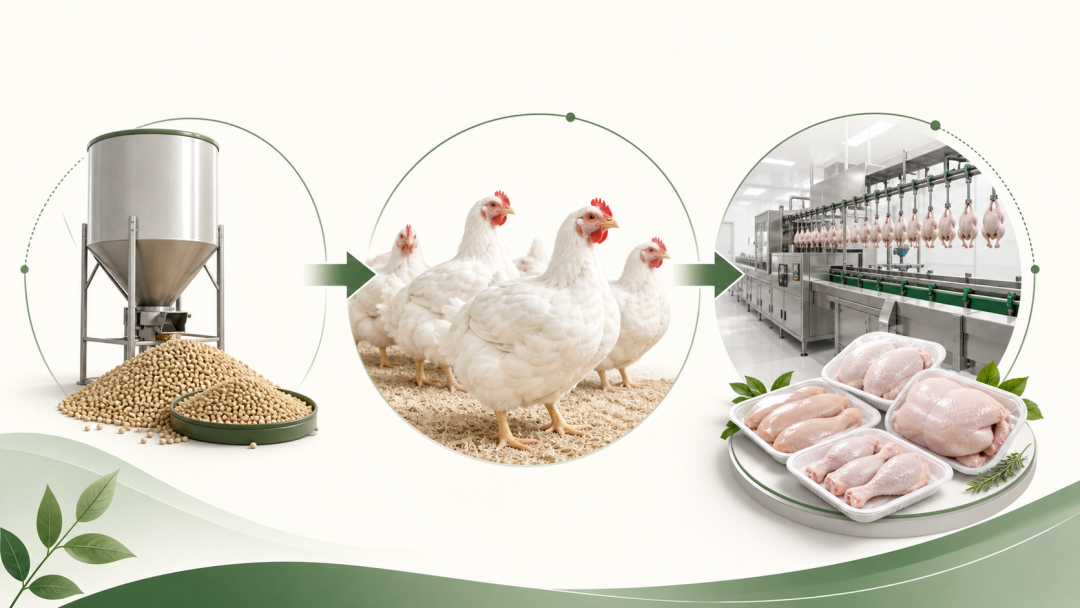
Image 2 | The ultimate goal of feed efficiency is not “weight gain,” but a market-accepted, saleable product.
From “how much feed it takes to gain one kilogram” to “how much value each kilogram of feed creates”
When evaluating a flock today, at a minimum, feed conversion ratio must be considered in the context of the entire production chain:
When evaluating a flock today, at a minimum, feed conversion ratio must be considered in the context of the entire production chain:
At the farming stage, assess efficiency across the entire production cycle. Adjusted feed conversion ratio, mortality and culling rate, uniformity, and saleable yield determine the final book cost.
The processing stage focuses on product efficiency. The yield of cuts such as breast meat, legs, and wings, consistency of specifications, and meat quality determine whether live chickens can be turned into higher-value products.
The breeding-stock stage focuses on breeding efficiency. The egg production rate, fertility rate, hatchability, and chick quality of parent stock determine the stable supply of commercial stock. Even if commercial stock performs well, it is difficult to truly scale up without stable upstream breeding.
Therefore, future breeding objectives will continue to improve the feed conversion ratio, but will place greater emphasis on whether it can be consistently achieved under high temperatures, disease pressure, fluctuations in raw materials, and different levels of management.
The chicken suited to production today is not one with an “extreme feed conversion ratio.” What China’s white-feather broiler production needs is a more balanced chicken: a low feed conversion ratio throughout the production cycle, but not at the expense of mortality and culling, leg problems, or meat quality; fast growth, but uniform specifications; tolerance of real production environments, with parent stock also able to reproduce reliably; and the ability to provide the market with the cuts it needs after slaughter.
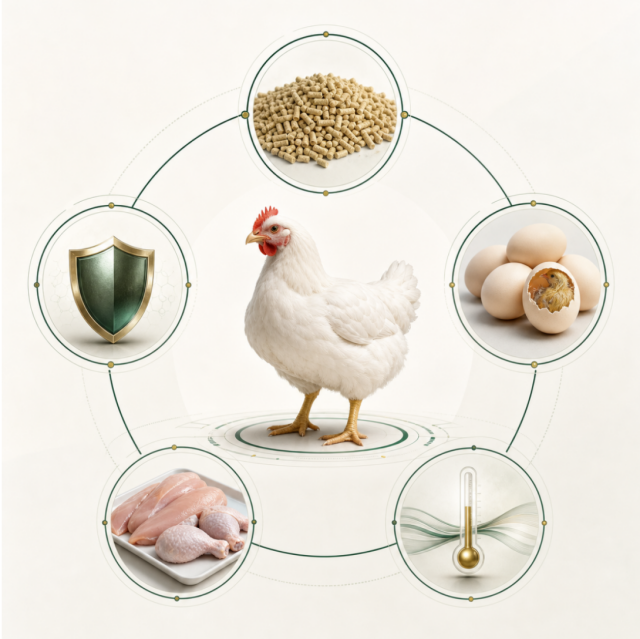
Image 3 | Truly mature breeding seeks the best overall balance among feed efficiency, health, reproduction, meat quality, and environmental adaptability.
For poultry farming companies, the right chicken is one that is “easy to raise, consistent, and easy to make the numbers work for”; for slaughter and processing companies, it is one with “consistent specifications and high cutting value”; for breeding companies, it must also have “strong reproductive performance and the ability to support sustained expansion.”
So, white-feather broilers will not pursue an endless feed conversion ratio race. Feed conversion ratio remains the foundation, but the industry’s ultimate goal is to consistently turn every kilogram of feed into a product that the market is willing to pay for, under real production conditions.
A truly good chicken is not just one that eats less and grows faster; it must also stand up to the tests of both the production site and the market.