
[Livestock News Reporter Park Yun-man]
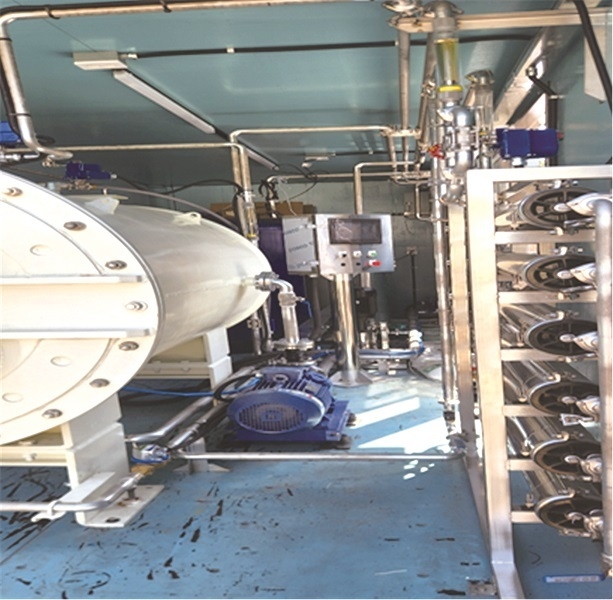
A new-concept equipment rental business has been introduced that can innovatively address manure treatment and odor complaints, the biggest challenges facing pig farms, and is attracting attention from livestock farms.
Pig manure treatment is placing a serious burden on livestock farms and local communities due to tightening environmental regulations, odor complaints, concerns about water and soil pollution, sharply rising outsourced treatment costs, and reduced government support.
In particular, even if farms try to build their own treatment facilities, the sharp recent rise in construction material and labor costs means that a facility with a capacity of approximately 1 days and 20 tons requires a massive initial investment of around 10 hundred million won to 50 hundred million won. Even with national and local government subsidies, farms must directly cover 20–40%, making it practically difficult for them to secure their own facilities. Outsourced treatment also imposes a burden, costing from 3 ten thousand 5 thousand won to 5 ten thousand won per ton.
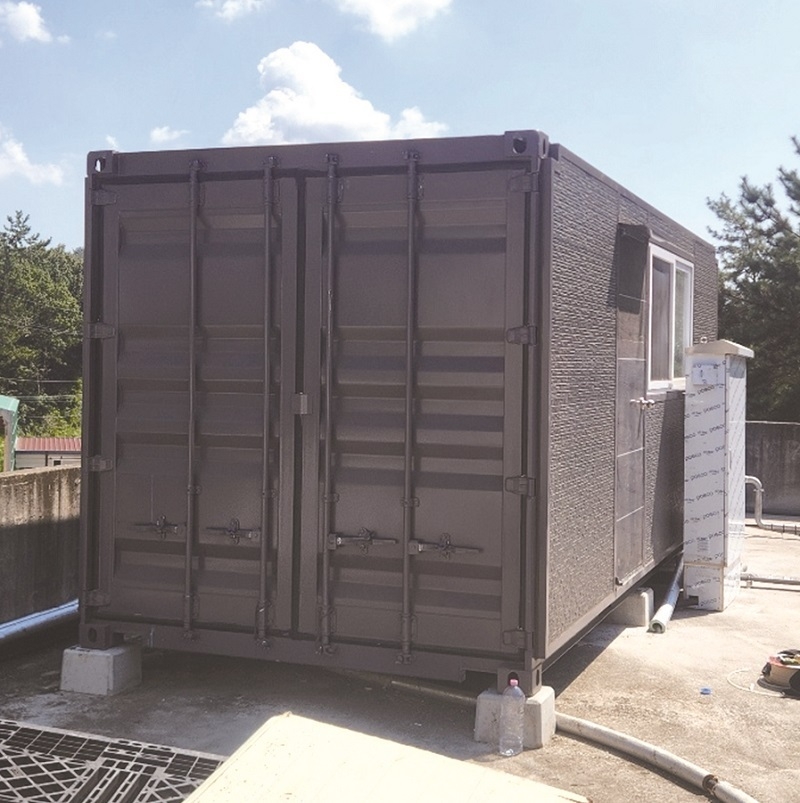 In order to overcome these problems, Ecoviron Co., Ltd. (CEO Lee Jong-kook), a company specializing in improving livestock environments, announced that it is officially launching a rental business for ‘NaRo 30’ discharge treatment equipment for farms subject to treated discharge.
The newly introduced ‘NaRo 30’ equipment is built as an all-in-one container unit, making it extremely simple to install and operate. Once the equipment is placed on the farm premises, simply connecting the electricity, manure inlet valve, and treated water valve allows treated discharge operations to begin immediately.
The rental arrangement involves treating and discharging fermented and matured liquid fertilizer (pH around 6.5, ORP of at least 50) from a liquid fertilizer circulation system through NaRo 30 to meet legal standards. Farms can use the equipment for a set period by paying a fixed rental fee, without having to purchase expensive equipment themselves, and may receive ownership of the equipment free of charge after 5 years.
The legal foundation and post-management system have also been thoroughly established. The project meets the requirements for livestock manure-related businesses under Article 28 of the Act on the Management and Use of Livestock Excreta, and has secured safety through permits issued by the mayors, county governors, and district heads. During operation, staff inspect the machinery at least 1 times a week and replace consumables free of charge. Farmers only need to provide the electricity and water required for manure treatment and operation, and pay the purification treatment fee based on usage ( 1 ten thousand and 3 thousand won per ton, VAT excluded).
The actual economic benefits are also outstanding. If 20 tons of manure per 1 days are outsourced for treatment (at a rate of 3 ten thousand and 5 thousand won per ton), the annual cost would be approximately 2 hundred million, 5 ten thousand, and 550 ten thousand won. By contrast, leasing NaRo 30 equipment for treatment would cost approximately 1 hundred million, 1 ten thousand, and 20 ten thousand won annually, including the monthly rental fee of 780 ten thousand won ( 9 ten thousand and 360 ten thousand won per year) and electricity costs. This can save each farm approximately 1 hundred million, 4 ten thousand won or more per year, while freeing it from manure treatment and related complaints.
CEO Lee Jong-guk said, “We supply farms only with equipment that has completed demonstration testing and been verified, and we will contribute to resolving odor complaints and improving farm productivity through comprehensive after-sales management.”
Park Yun-man qkrdbsaks@hanmail.net
Livestock Newspaper, CHUKSANNEWS