
How to make more use of ESF systems at pig farms
The use of Electronic Sow Feeding (ESF) systems means that there is a treasure trove of data available for producers. In practice, however, those often only tend to be used for spotting low feed intake. What other lessons and insights could be gained from the use of ESF?

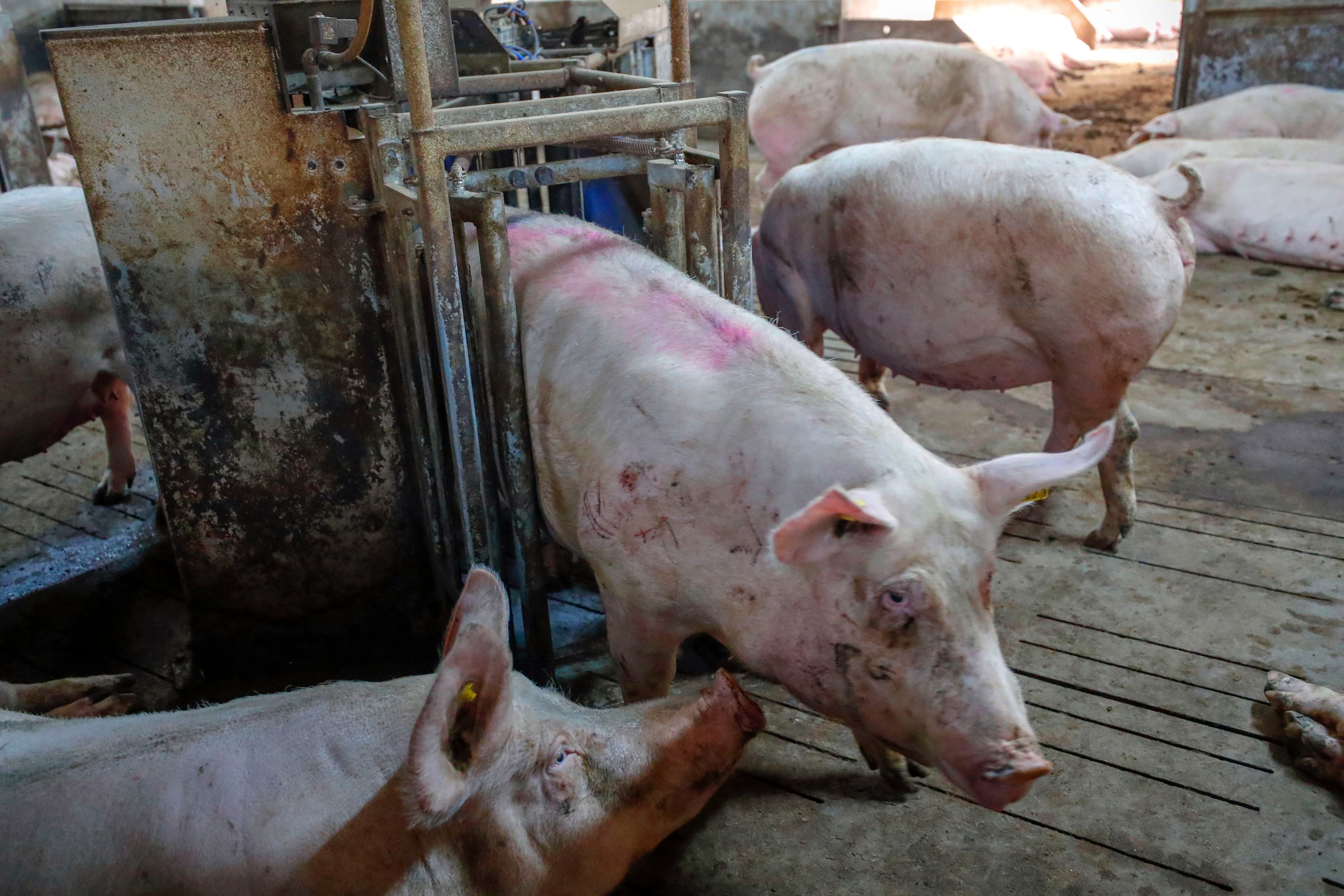
After all, earlier research has shown that changes in feeding station visit frequency, timing and feeding order can signal lameness, health issues, or welfare concerns.
A team of researchers from Ireland, Portugal, and Scotland delved into the world of ESF systems and published a research article in the Irish Veterinary Journal in April 2026. The team identified feeding patterns of gestating sows using ESF systems and studied their associations with parity and reproductive performance.
Data collection with 391 sows
The researchers used 391 sows in this trial. They considered the feeding cycle as a 23-hour interval during which sows could enter a vacant station to consume their allotment in one or multiple visits. They assigned each sow to one of the following feeding curves:
- 2.2 kg/day until day 90 of gestation and 2.6 kg/day thereafter; or
- 2 kg/day throughout the whole gestation.
Then, they studied sows’ records including feed intake, reproductive performance and parity concerning a 1-year period.
ALSO READ: Does lemongrass essential oil help piglets after weaning?
Feeding timing and order
The results showed that average feeding time increased as sow parity increased. Feeding activity concentrated heavily during the first half of the cycle, between 5pm and 5am. Feeding orders were highly variable as 15% of the sows finished their meals quickly within the first 2 hours of the feeding cycle and 15% of them ate mostly at night about 9 to 14 hours after the cycle began.
Feeding station preference and reproductive performance
Sows demonstrated a strong individual preference for a specific feeding station, choosing their favourite station for 89.2% of feeding visits on average. A stronger feeding station preference was linked to shorter average feeding times and a higher total number of visits.
Parity and average feeding time were initially linked to higher pre-weaning mortality, specifically in older sows and those feeding earlier. When both factors were evaluated together in a multivariable analysis, only parity remained statistically significant. Total born alive and average birth weight showed no association with either parity or feeding time.
The authors concluded that ESF systems track clear behavioural patterns in group-housed sows, proving useful for individual monitoring, but systems still require better data representation for farm use.
References are available upon request.
The research paper in the Irish Veterinary Journal was authored by Mario Andre S. Ornelas and Edgar Garcia Manzanilla, Teagasc, Cork, Ireland; Telmo Nunes, University of Lisbon, Portugal; and Maria Rodrigues da Costa, Scotland’s Rural College (SRUC), Inverness, Scotland, UK. Author Garcia Manzanilla is also attached to University College Dublin, Ireland.