
How targeted litter management can improve ammonia control, footpad health, and broiler welfare at the same time
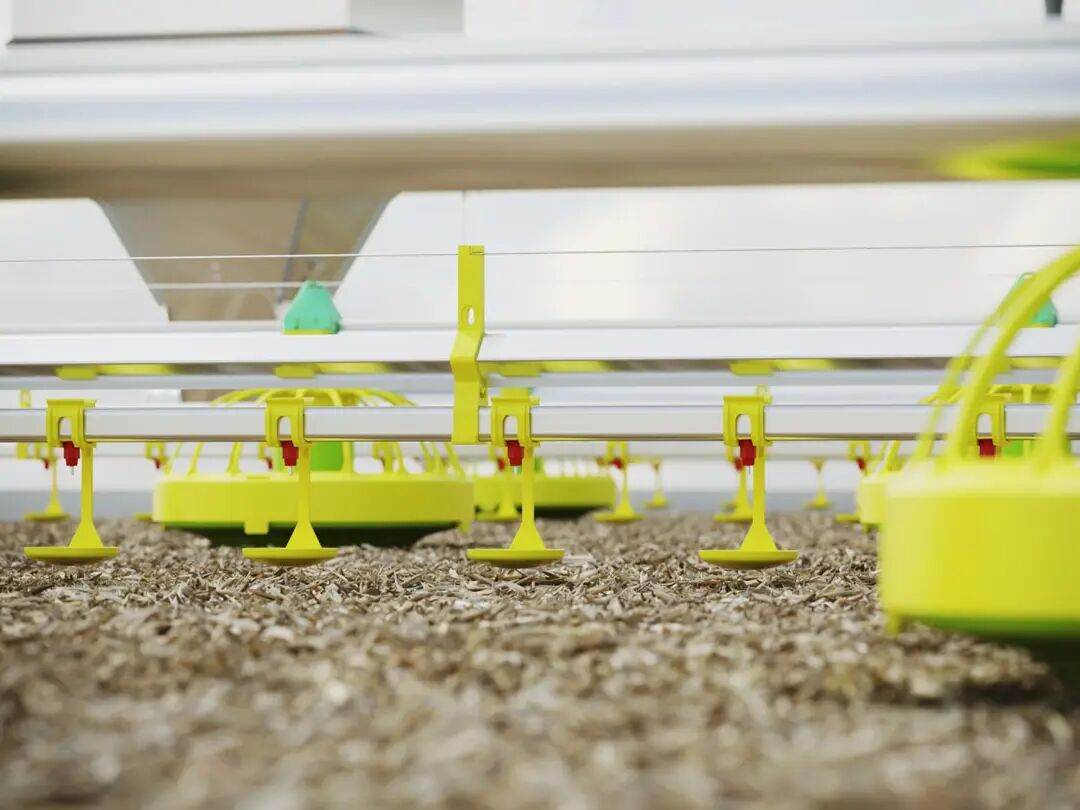
Nowadays, poultry litter is increasingly no longer regarded merely as bedding material used to separate chickens from the ground.
The moisture content, pH, temperature, and microbial activity of litter can all directly affect poultry house air quality, chicken welfare, and environmental performance.
As producers seek to reduce ammonia emissions while maintaining efficient broiler production, new management approaches are increasingly focusing on controlling the litter environment itself, rather than relying solely on ventilation.
Ammonia is produced when nitrogen-containing compounds in poultry manure are transformed in the litter.
When litter is excessively wet, conditions become more favorable for ammonia production and release.
Higher concentrations of ammonia can irritate the respiratory system and are also associated with welfare issues such as footpad dermatitis.
Therefore, controlling litter moisture has become an important part of modern flock management.
— 1 —
Bedding additives are developing toward multifunctional management
In recent years, research has begun to focus on bedding amendments that can affect multiple production indicators at the same time.
A study in 2026 evaluated a mixture containing zeolite, clay, and rice husk ash.
The results showed that the treatment not only significantly reduced ammonia concentrations in poultry houses but also improved several animal welfare indicators.
In the treatment group with the highest inclusion rate, ammonia concentrations in the poultry house decreased by approximately 50% compared with untreated litter. Footpad lesion severity also decreased, and physiological indicators reflecting stress status improved.
Importantly, the researchers reported that the treatment had no significant adverse effect on body weight, average daily gain, or feed conversion ratio.
This management approach is particularly practical in areas with high temperatures and humidity, because these environmental conditions accelerate the deterioration of bedding quality.
Rather than treating ammonia as a standalone problem to be addressed through ventilation, producers can also manage the litter itself as part of an integrated environmental control system for the poultry house.
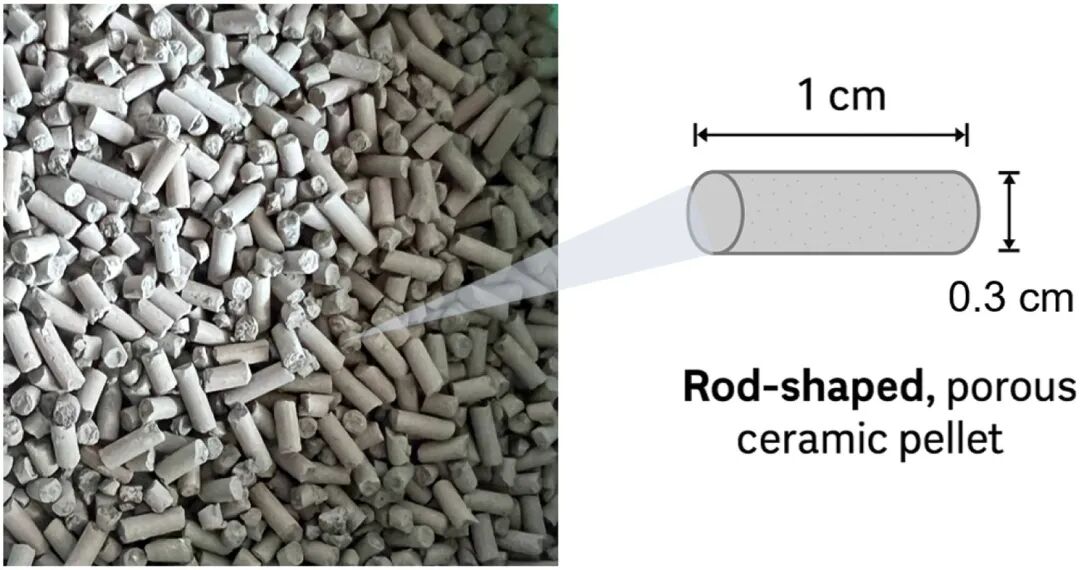
Cylindrical, granular finished bedding used in the broiler house trial (approximately 1 cm × 0.3 cm)
— 2 —
Moisture remains a key control point
The physical condition of the litter is closely related to drinker management, ventilation, rearing conditions, and poultry house humidity.
Field research shows that during the early stages of broiler production, maintaining moderate relative humidity while increasing airflow over the litter surface helps keep litter moisture content below levels that could cause problems.
The same study also found that the number of footpad lesions in broiler chickens decreased after environmental conditions were improved.
Therefore, bedding management should begin before any obvious deterioration can be seen with the naked eye.
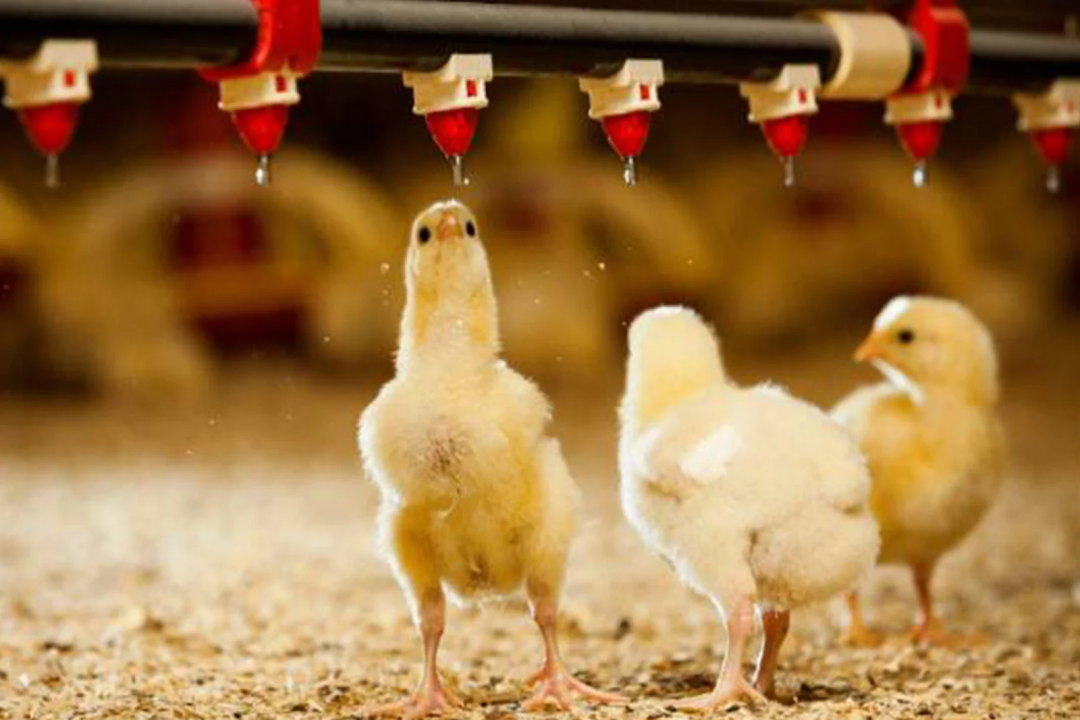
Checking drinkers for leaks, monitoring poultry house humidity, assessing litter caking and compaction, and identifying localized damp areas around the drinker lines can all serve as practical early warning indicators.
These measures help reduce the need for corrective interventions later in the flock cycle.
— 3 —
Transforming Waste into Production Resources
Another emerging direction is to consider poultry litter management as part of a broader sustainable production system.
If the litter can be kept sufficiently dry and stable, it may not only provide more favorable welfare conditions for the chickens, but also reduce ammonia losses and emissions within the poultry house.
This makes it possible to connect environmental management with production performance, without treating sustainability and production efficiency as separate goals.
For poultry producers, the key message is that litter should be actively managed as part of the flock’s production environment.
Future commercialization management strategies will likely combine the following measures:
Bedding material selection; moisture control; ventilation management; drinker management; application of scientifically evaluated bedding additives.
This integrated management approach is expected to help poultry farms address animal welfare and environmental challenges at the same time, without compromising the biological production performance of the flock.
Note: This article is from the aviNEWS website. The original author is Sahar Darazi. Please contact us for removal if this infringes any rights.