
How life cycle assessments contribute to more sustainable animal production systems
Sustainability in animal production has become a strategic priority for the livestock sector, as it seeks to balance productivity, animal welfare, natural resource conservation and economic viability. Driven by consumer demand and the need to reduce Scope 3 carbon footprints across value chains, the sector is adopting eco-friendly solutions that promote greater efficiency and animal welfare.
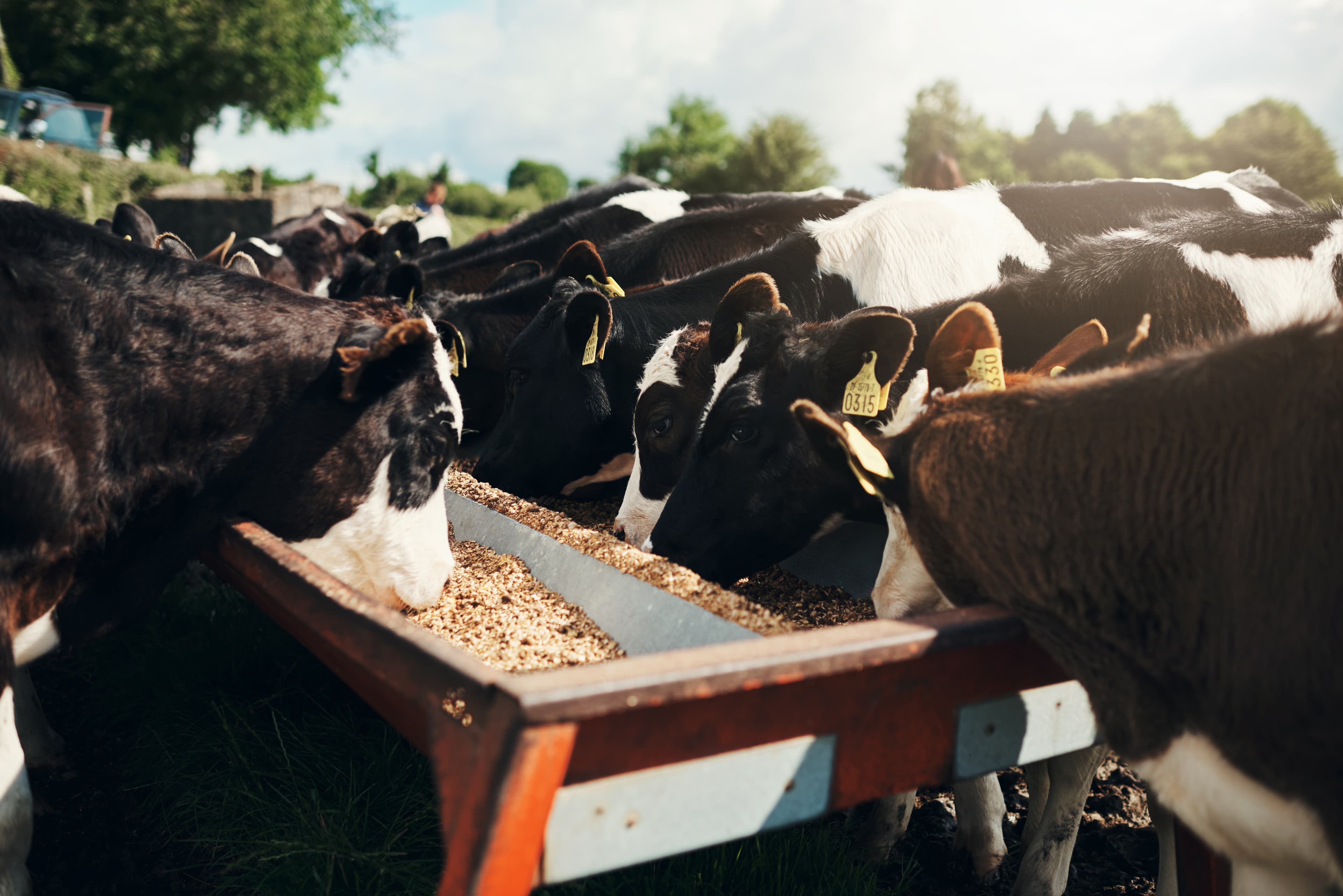
As animal nutrition plays a key role in improving animal performance, optimising resource utilisation, and reducing environmental impacts, it helps meet those expectations for more sustainable food production. Feed efficiency, feed digestibility, ingredient quality, and raw material sourcing directly influence animal productivity and the environmental footprint of production systems. Phileo by Lesaffre is a strategic partner to the animal production industry, developing and promoting solutions that support more sustainable and efficient production systems.
LCA
One of the main tools for assessing the sustainability of production systems is life cycle assessment (LCA). This holistic methodology assesses the environmental impacts of a product or process across its entire life cycle, from raw material sources to end-of-life. The carbon footprint, a key industry metric, is among the main indicators evaluated.
Data generated through factory LCA not only helps define improvement pathways for eco-design but also helps companies develop their own LCA of feed. Additionally, usage-phase LCAs provide actionable insights that empower the entire value chain. A study evaluating Actisaf Sc 47 supplementation in dairy cows during early lactation concluded that the carbon footprint of milk was reduced by an average of 5% during the supplementation period.
Beyond climate change mitigation, the LCA also demonstrated similar reductions in other key environmental impact categories, including land use, water use, resource use, acidification, and freshwater, marine and terrestrial eutrophication. It highlights the potential of nutrition-based solutions to improve the overall environmental performance of dairy production systems.
Yeast probiotic
The LCA of a yeast probiotic was conducted using the internationally recognised scientific methodology, following ISO 14040 and ISO 14044 standards, as well as the European Commission’s Product Environmental Footprint (PEF) guidelines and Product Environmental Footprint Category Rules (PEFCR) for dairy and animal feed products. The study adopted a cradle-to-farm-gate approach, evaluating environmental impacts from additive production through milk production on the farm, including indicators such as carbon footprint, land use, water use, acidification and eutrophication. An independent external critical review reinforced the robustness of the results.
The findings showed that Actisaf Sc 47 supports more sustainable dairy production systems by improving production efficiency while reducing environmental impacts. Supplementation enhanced feed efficiency in dairy cows while lowering the environmental footprint of milk production, illustrating how science-based nutritional solutions can support the transition toward a more efficient, resilient and sustainable livestock sector. These results reinforce Phileo’s commitment to developing solutions that deliver measurable benefits for both animal production and the environment.
Additional LCA studies have shown that different Phileo solutions can significantly reduce the environmental footprint of animal production systems. Safmannan: Studies have shown that supplementing with yeast postbiotics can reduce the carbon footprint of broiler production by 8.4% per kg of live weight produced, while also delivering an average 6.9% improvement in feed conversion ratio. These results indicate greater nutrient utilisation efficiency and lower resource requirements, contributing to more sustainable production systems. In addition, Safmannan supports food safety by helping control Salmonella throughout the production chain.
Microsaf: LCAs indicate that the bacterial probiotic can reduce the carbon footprint of broiler production by 5.4%. Beyond its environmental benefits, the solution improves production efficiency, with gains of four to five points in feed conversion ratio and more than 100 g in body weight gain, supporting a more efficient and sustainable poultry industry.
These results highlight how research and animal nutrition can work together to deliver tangible benefits throughout the production chain. By optimising animal performance, it is possible to produce more high-quality protein with fewer resources, reduce emissions, and support a more sustainable food production system.
Producing better to nurture the future
Sustainability in animal production is an ongoing journey that requires innovation, technical expertise and collaboration across the entire value chain. We believe scientific innovation is one of the most powerful drivers of sustainability, starting with healthier animals, more efficient production systems, and a stronger, more transparent, and responsible food chain. As our CSR manager, Celine Garat Boute, emphasised, “Phileo’s Life Cycle Assessments demonstrate that science-based solutions can simultaneously drive production performance and environmental sustainability, creating value for producers, animals and society.”
We believe that sustainability and performance must go hand in hand. That is why we remain committed to developing innovative solutions that make animal production more efficient, resilient and sustainable. Through science, we strive to reduce environmental impacts, optimise resource use and promote animal health, contributing to a more responsible production chain prepared to meet the challenges of future generations. We believe that collaboration across industries is essential for meaningful, sustainable progress.
References available upon request