
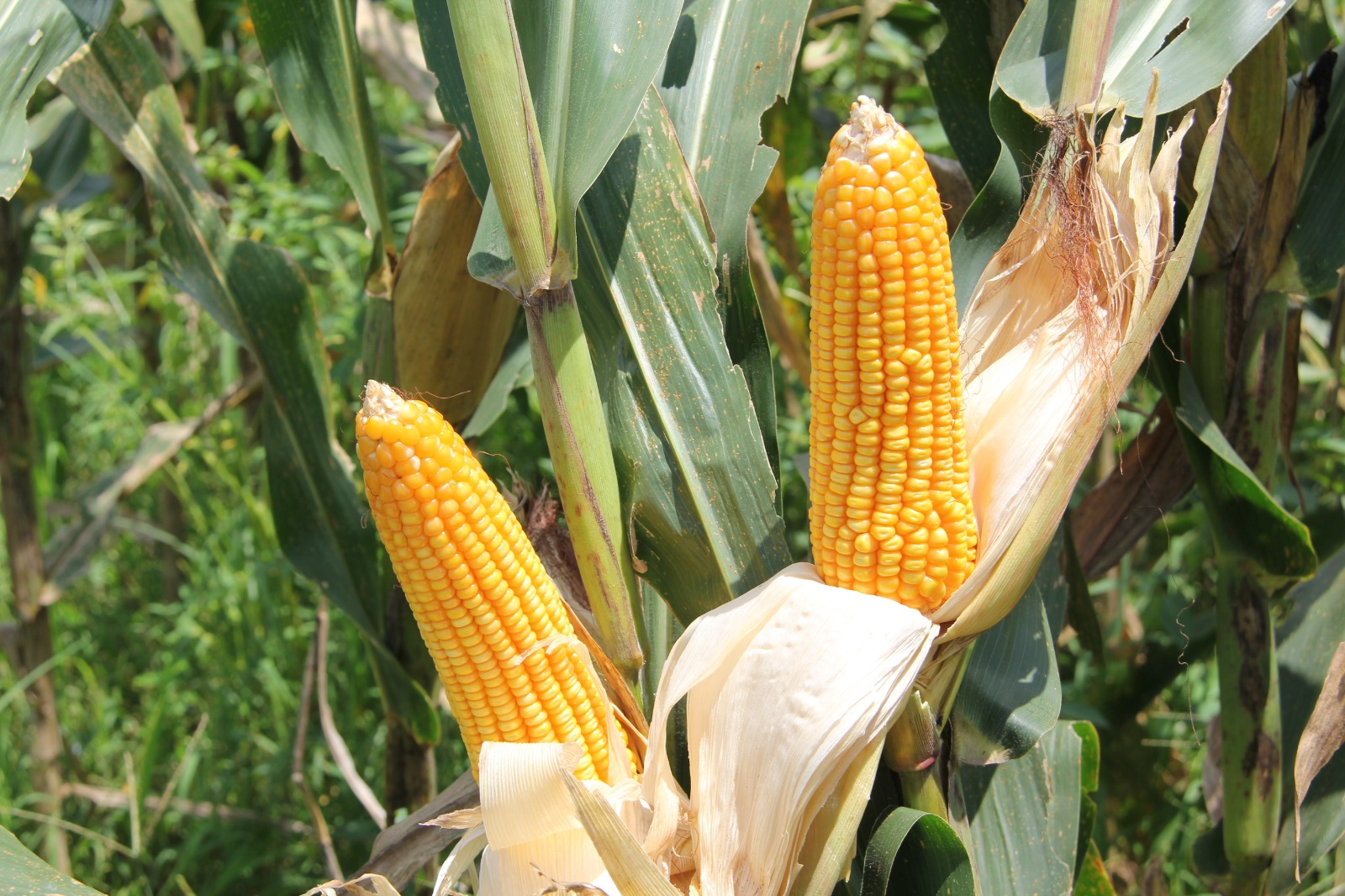
Jakarta (TROBOSLIVESTOCK.COM). To sustain production and reduce operating cost pressures on poultry farms, the government is accelerating corn distribution through the Food Supply and Price Stabilization (SPHP) program. By optimizing Perum Bulog (Logistics Affairs Agency) stocks, SPHP corn is being distributed to meet farmers’ needs, especially in areas experiencing supply shortages.
The Minister of Agriculture (Mentan), Andi Amran Sulaiman, emphasized that distributing SPHP corn is a concrete government measure to address farmers’ complaints about high feed costs and limited corn supplies. The government also assured that available stocks would be distributed promptly, while procurement is being accelerated to meet on-the-ground needs.
“The urgent priority now is to distribute the corn in warehouses while procurement is underway. There is still an SPHP quota of 150.000 tons, and that is enough,” Amran said at a meeting with representatives of farmers, cooperatives, and associations on Friday (9/10).
Perum Bulog President Director Ahmad Rizal Ramdhani explained that SPHP corn distribution is being strengthened through shipments from several production centers, including Gorontalo, West Nusa Tenggara (NTB), East Nusa Tenggara (NTT), and South Sulawesi. Around 15.000 tons of corn have arrived and are being unloaded at Tanjung Perak Port in Surabaya, East Java, for subsequent distribution to various areas on the island of Java.
Of that amount, he continued, around 5.000 tons have been allocated to East Java, 5.000 tons to Central Java, and 5.000 tons to West Java, DKI Jakarta, and Banten. “Meanwhile, Bulog’s corn stocks in Lampung have reached more than 5.000 tons to meet the needs of local farmers,” he added.
According to Rizal, Bulog is also coordinating with PT Pelabuhan Indonesia (Pelindo) and PT ASDP Indonesia Ferry to facilitate the transportation of corn by sea and ferry. The coordination is intended to ensure that ships carrying food commodities receive berthing priority, allowing loading, unloading, and distribution to destination areas to proceed more quickly.
“We prioritize ships carrying food commodities so they can berth, whether at Ketapang, Tanjung Perak, Tanjung Emas, or Tanjung Priok. We have coordinated to ensure that all goods related to national food commodities are given priority,” he said.
He also emphasized that the price of SPHP corn is set at Rp 5.000 per kilogram (kg) throughout Indonesia. This price is lower than the market price of corn, which reaches around Rp 8.000 per kg, and is therefore expected to help reduce livestock farmers’ production costs.
Representing PPN Koperasi Lampung, Kasmani said that Bulog’s current corn stocks in Lampung are sufficient to meet the needs of around 100 MSME livestock farmers. However, the needs of farmers in other regions, particularly East Java and Central Java, also require attention, as they previously experienced supply shortages. “In Lampung, Bulog’s corn stocks exceed around 5.000 tons and are sufficient to meet the needs of MSME livestock farmers. However, we are concerned about farmers throughout Indonesia, particularly in East Java and Central Java, which previously experienced corn shortages,” he lamented.
He said that corn prices in Lampung markets range from Rp 8.000 – 8.400 per kg, while under the SPHP program, livestock farmers can obtain corn for Rp 5.000 per kg. He hopes that the next phase of SPHP corn distribution will continue so that the availability of feed ingredients is maintained and MSME livestock farmers can sustain their businesses through February 2027.
 By Ramdan
Corn Seed Assistance
In addition to accelerating distribution, the Ministry of Agriculture is preparing to strengthen corn supplies upstream. Through December 2026, the Ministry of Agriculture provided free corn seeds for land covering 20.000 hectares (ha), managed by farmers supported by livestock farmers’ cooperatives. Farmers will also receive support in the form of agricultural equipment and machinery to increase production.
Under this scheme, farmers’ harvests can be absorbed directly by the livestock farmers who support them. If production exceeds the livestock farmers’ needs, Bulog can act as a buyer or offtaker. The government is also preparing a warehouse receipt scheme so that harvests that have not been absorbed can be purchased and stored by Bulog as cooperative-owned reserves, which can be used again when corn supplies decline.
The government is working to build a corn ecosystem from upstream to downstream to ensure a reliable supply for livestock farmers while also providing farmers with a reliable market. By accelerating the distribution of SPHP corn and strengthening domestic production, the government is working to sustain livestock businesses and prevent recurring supply and feed-price problems during periods of crisis.bella