
Trading food instead of feed could cut farm pollution, study finds
New modelling suggests shifting US-China agricultural trade towards animal-derived foods could reduce nitrogen losses and greenhouse gas emissions, while increasing the value of US farm exports.

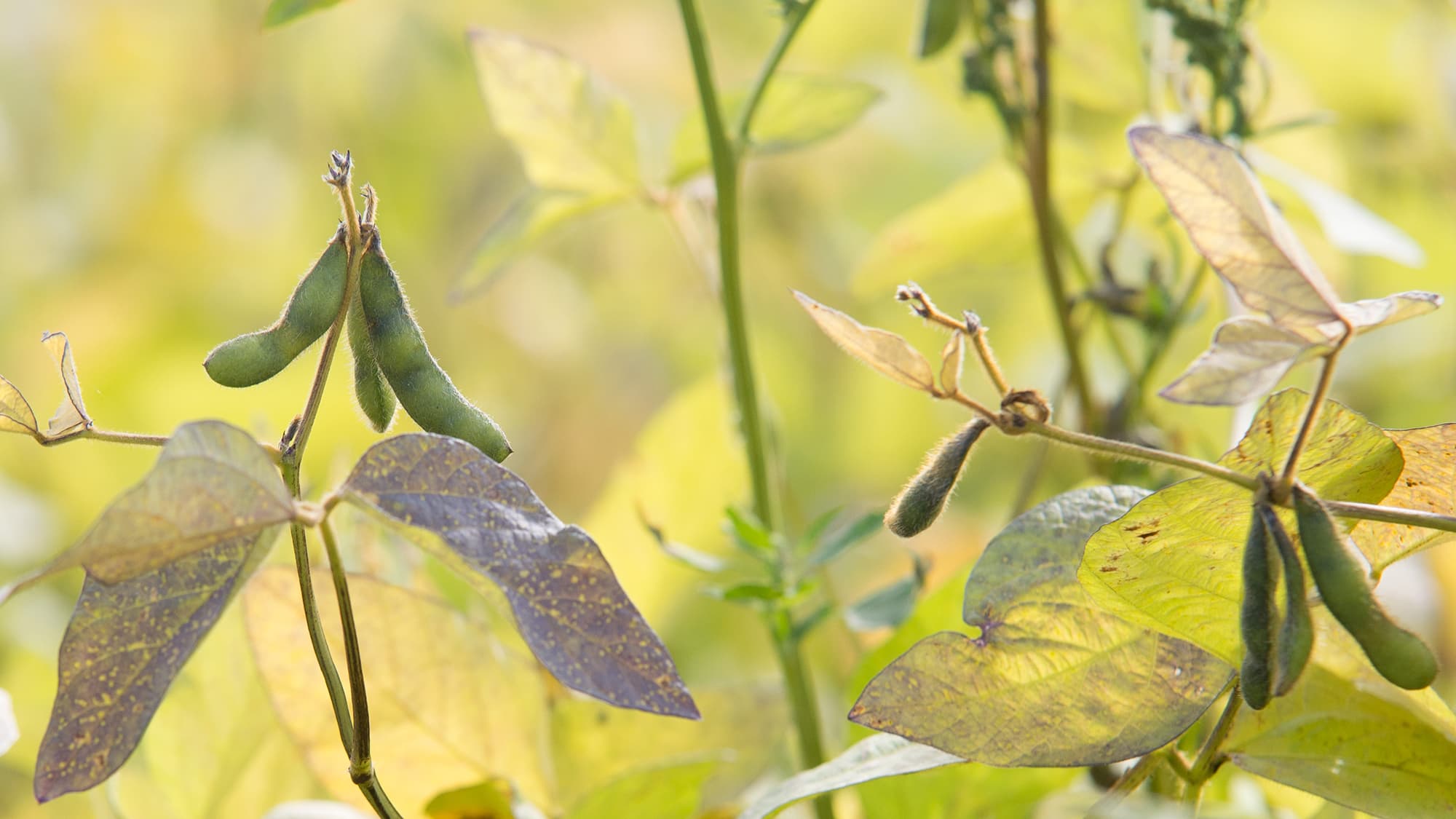
A shift from exporting feed crops to exporting animal-derived foods could substantially reduce the environmental footprint of agricultural trade between the United States and China, according to new research published in the journal Nitrogen Cycling. The modelling study found that replacing feed exports with food exports could cut global nitrogen loss by 38% and greenhouse gas emissions by 17% compared with the current feed-dominated trading pattern.
A feed-dominated trade
The United States currently exports large volumes of soybeans, maize and other feed crops to China, where they support livestock production. Although the study estimates this arrangement already causes less global nitrogen loss than producing the same feed entirely in China, it also separates feed production from the animals consuming it.
According to the researchers, more than 40% of the nitrogen contained in imported feed is lost as manure in China, limiting opportunities to return those nutrients to the US cropland where the feed was grown.
Comparing trade scenarios
Using 2022 trade data, researchers led by Xin Zhang’s team at the University of Maryland Center for Environmental Science compared 3 scenarios:
- no bilateral feed or food trade
- the existing pattern dominated by feed exports and
- a hypothetical system in which the United States produces the animal products supported by those feed crops and exports the food to China.
The model traced nitrogen through crops, livestock products and manure, while also estimating emissions from fertiliser use, farming, livestock production and international shipping.
Under the existing trading pattern, production associated with the traded commodities generated an estimated 1.3 million metric tonnes of nitrogen loss and 57 million metric tonnes of carbon dioxide equivalent in greenhouse gas emissions. Compared with producing both feed and animal products entirely in China, current trade was estimated to reduce global nitrogen loss by 32% and emissions by 7%. Under the food-export scenario, emissions fell further to 48 million metric tonnes of carbon dioxide equivalent, while estimated environmental damage costs were 32% lower than under current trade. The model also indicated that US agricultural trade revenue could increase by $10.5 billion, with reported uncertainty of $2.4 billion.
Global gains, local costs
The researchers stress that the global gains would come with a trade-off. Moving more livestock production to the United States would increase domestic emissions and nitrogen pollution, particularly in major livestock-producing regions. However, producing animals nearer feed-growing areas would make more manure available for recycling onto cropland. Additional modelling suggested that combining improved manure recycling with recovery of plant-based food waste could further reduce nitrogen losses and ease the additional US environmental burden.
Implications for feed trade
For the feed sector, the study highlights how the location of feed use can influence nutrient efficiency across agricultural supply chains. The findings are modelled scenarios rather than predictions of future trade flows, but they underline the potential value of considering nutrient pollution, greenhouse gas emissions and economic returns together when assessing agricultural trade. The researchers conclude that what is traded, and where crops and livestock are produced, can shape both global environmental impacts and local pollution pressures.
The study was published in the recent edition of Nitrogen Cycling - Shifting US−China trade from feed to food reduces global agricultural nitrogen loss and greenhouse gas emissions