
Light-based sensors target faster poultry quality control
A new €7 million pan-European project will test photonics-based sensors across the poultry chain, from feed safety to meat quality and by-product utilisation.

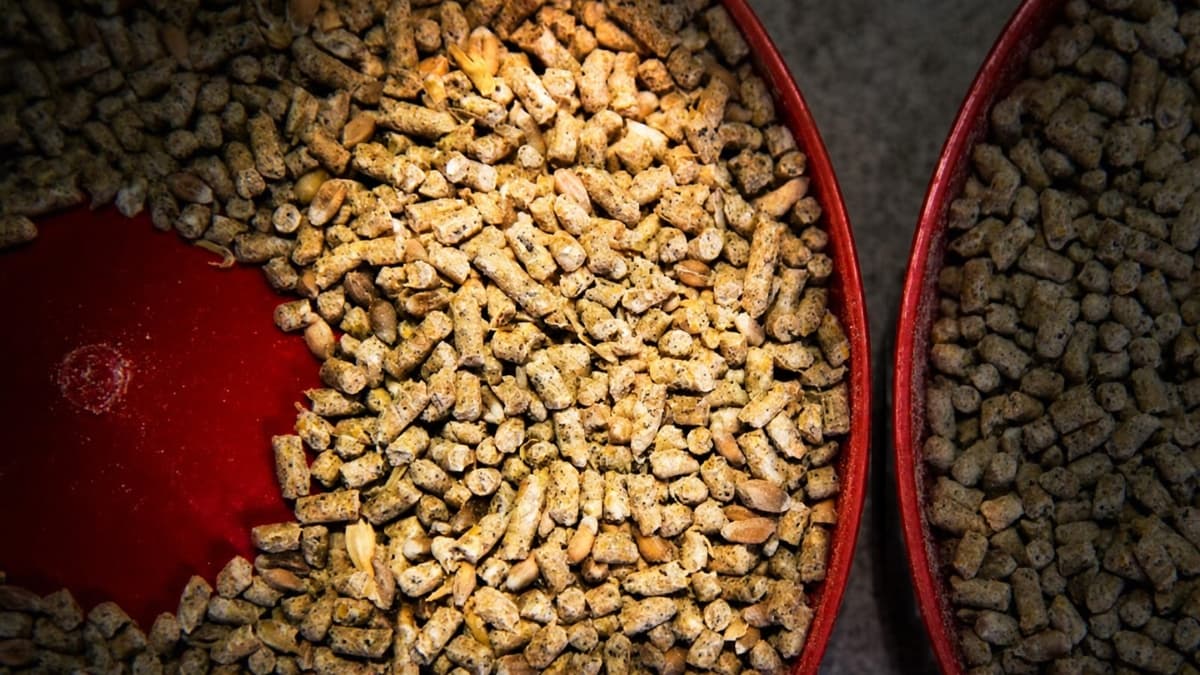
The European research project aims to give poultry producers faster, more precise information on quality, safety and traceability by introducing photonics-based sensing at key stages of the production chain.
The Sensor4Food project, coordinated by Turku University of Applied Sciences in Finland, will develop and test sensor technologies that use light at different wavelengths to measure properties that cannot be detected by the human eye. Six poultry-related use cases will be tested in Spain, Italy and Norway, covering stages from feed production to the final product and the utilisation of by-products.
A large and evolving sector
The project comes as Europe’s poultry sector continues to operate on a considerable scale. Annual EU poultry production exceeds 14.4 million tonnes, while consumption is forecast to rise from 24.2 kgs to 25.8 kgs per person by 2035.
The sector also represents a significant economic force. The poultry value chain provides an estimated 3.7 million direct and indirect jobs in Europe, supporting rural economies and export markets.
ALSO READ: Funding boost to tackle Salmonella in chickens
According to the project team, quality and safety monitoring can remain fragmented. On farms, producers monitor factors such as feed quality and rearing conditions and work to reduce stress to support bird welfare. Further along the chain, however, monitoring can rely on manual inspections, visual assessments and laboratory measurements, which can be time-consuming.
From feed safety to meat quality
Sensor4Food aims to investigate whether photonics can provide more immediate information. Potential applications include identifying harmful mycotoxins in feed, detecting pathogens and drug residues during production, assessing meat structure and identifying quality deviations, and monitoring protein products made from poultry by-products.
The project also plans to combine these measurements with data from other sensors and artificial intelligence-based platforms. The aim is to generate real-time information to support decision-making across the value chain.
“Real-time data available across the entire value chain enables faster, more accurate, and more resource-efficient decision-making at every stage of production,” said David Oliva, head of Cognitive Technologies at Turku University of Applied Sciences and the project’s principal investigator.
ALSO READ: Rabobank: Poultry markets face growing pains despite strong global growth
Potential beyond poultry
Although poultry will provide the test environment, the partners say the technology could subsequently be applied in other food and farming sectors, including pork, dairy and aquaculture.
“The poultry sector serves as an important and demanding test bed for the project, but our goal is to develop solutions that can later be widely applied throughout the entire food chain to improve product traceability and provide more accurate and real-time situational data for the various stages of production,” Oliva said.
European research consortium
Sensor4Food is funded through the European Union’s Horizon Europe programme and is scheduled to launch in September 2026, with a total budget of €7 million.
The consortium brings together 21 European organisations, including 7 research organisations, 9 small and medium-sized enterprises (SMEs), 4 large companies and poultry sector body AVEC, which represents 95% of EU poultry meat production.